 Diesel's death in a police raid on November 18 came five days after 130 people were killed in multiple terror attacks in Paris.
Read more;http://edition.cnn.com/2015/12/08/europe/france-russia-police-dog/
Diesel's death in a police raid on November 18 came five days after 130 people were killed in multiple terror attacks in Paris.
Read more;http://edition.cnn.com/2015/12/08/europe/france-russia-police-dog/
Thursday, December 10, 2015
Russia gives France a puppy to replace Diesel, dog killed in Paris raid.
German Shepherd Dobrynya is named after a Russian folk hero .Diesel's death in a police raid was mourned on social media with the hashtag #JeSuisChien . He may be no Diesel, but Russia has given France a new puppy following the death of the seven-year-old police dog during a terror raid in the Paris suburb of Saint-Denis last month."The puppy you are giving us today will replace Diesel and proves your friendship," said French ambassador Jean-Maurice Ripert, during a ceremony at the French Embassy in Moscow on Monday."They are waiting for this puppy in Paris," he added, according to Russian news agency Tass. Dobrynya waits patiently during the handover ceremony in Moscow on Monday, December 6. Diesel's death in a police raid on November 18 came five days after 130 people were killed in multiple terror attacks in Paris.
Read more;http://edition.cnn.com/2015/12/08/europe/france-russia-police-dog/
Diesel's death in a police raid on November 18 came five days after 130 people were killed in multiple terror attacks in Paris.
Read more;http://edition.cnn.com/2015/12/08/europe/france-russia-police-dog/
Diesel's death in a police raid on November 18 came five days after 130 people were killed in multiple terror attacks in Paris.
Read more;http://edition.cnn.com/2015/12/08/europe/france-russia-police-dog/

World's first IVF puppies born to surrogate mother dog!!!

 The world's first "test tube" puppies have been born after years of attempts, say scientists in the US.The in-vitro fertilisation success paves the way for conserving endangered breeds and could help in the fight against human and animal diseases, say researchers at Cornell University. The seven beagle and cross-bred beagle-spaniel puppies were born to a surrogate mother. They were from the same litter but have three sets of parents. Frozen embryos were implanted in a female dog using techniques similar to those used in human fertility clinics.
Problems with freezing embryos have caused difficulties in the past, but the group say they have perfected this and other techniques.
Lead researcher Dr Alex Travis, from Cornell's college of veterinary medicine, said: "We have seven normal happy healthy puppies."He added: "Since the mid-1970s, people have been trying to do this in a dog and have been unsuccessful."Now we can use this technique to conserve the genetics of endangered species." The researchers say IVF is a powerful tool to help endangered species of dog such as the African wild dog. It could also be used in the study of inherited human and dog diseases.Dogs share many similar diseases with humans - almost twice as many as for any other species.
Dr Travis said the work was an important milestone. "In vitro fertilisation is a really powerful tool to help preserve endangered species of dog," he told the BBC. "IVF is also important for the health of our pets because it opens up the possibility that we could identify certain genes that cause disease and then fix those."
The puppies were born in the summer. Their existence was kept secret until the findings were formally announced to the scientific world this week. They have reportedly been named Ivy, Cannon, Beaker, Buddy, Nelly, Red and Green, and all but one has gone to a new home.
The research, published in the journal PLoS One, has been described as a "major step forward" in medicine. Prof David Argyle, head of the school of veterinary medicine at the University of Edinburgh, which was not part of the study, said the new techniques would help understanding of inherited diseases in both dogs and people.
"Importantly, it is becoming apparent that dogs and humans share many common biology, diseases and syndromes, and it is likely that these new techniques could have significant benefit for the study of human diseases as well as canine diseases," he added.
Story credit; BBC.
The world's first "test tube" puppies have been born after years of attempts, say scientists in the US.The in-vitro fertilisation success paves the way for conserving endangered breeds and could help in the fight against human and animal diseases, say researchers at Cornell University. The seven beagle and cross-bred beagle-spaniel puppies were born to a surrogate mother. They were from the same litter but have three sets of parents. Frozen embryos were implanted in a female dog using techniques similar to those used in human fertility clinics.
Problems with freezing embryos have caused difficulties in the past, but the group say they have perfected this and other techniques.
Lead researcher Dr Alex Travis, from Cornell's college of veterinary medicine, said: "We have seven normal happy healthy puppies."He added: "Since the mid-1970s, people have been trying to do this in a dog and have been unsuccessful."Now we can use this technique to conserve the genetics of endangered species." The researchers say IVF is a powerful tool to help endangered species of dog such as the African wild dog. It could also be used in the study of inherited human and dog diseases.Dogs share many similar diseases with humans - almost twice as many as for any other species.
Dr Travis said the work was an important milestone. "In vitro fertilisation is a really powerful tool to help preserve endangered species of dog," he told the BBC. "IVF is also important for the health of our pets because it opens up the possibility that we could identify certain genes that cause disease and then fix those."
The puppies were born in the summer. Their existence was kept secret until the findings were formally announced to the scientific world this week. They have reportedly been named Ivy, Cannon, Beaker, Buddy, Nelly, Red and Green, and all but one has gone to a new home.
The research, published in the journal PLoS One, has been described as a "major step forward" in medicine. Prof David Argyle, head of the school of veterinary medicine at the University of Edinburgh, which was not part of the study, said the new techniques would help understanding of inherited diseases in both dogs and people.
"Importantly, it is becoming apparent that dogs and humans share many common biology, diseases and syndromes, and it is likely that these new techniques could have significant benefit for the study of human diseases as well as canine diseases," he added.
Story credit; BBC.
SCIENTISTS CREATE INFERTILE FEMALE MOSQUITO TO WIPE OUT MALARIA.

 UK scientists say they have reached a milestone in the fight against malaria by creating a genetically modified mosquito that is infertile.The plan is to wipe out the insects that spread malaria to people via bites, Nature Biotechnology reports.
Two copies of the mutant gene render the malaria-carrying female insect completely barren.
But one copy is enough for a mosquito mum or dad to pass it on to offspring. This should perpetually spread the infertility gene throughout the population so the species dwindles or dies out.
However, the Imperial College London team say more safety tests are needed, meaning it will be a decade before the mutant mosquitoes can be released into the wild. Cheating nature; The mutant mosquito can still carry and transmit malaria to people via bites. But their genetic make-up means they should breed with and replace other malaria-carrying mosquitoes. Any offspring with one copy of the gene would carry on passing the trait to future generations, while any female offspring that inherits both copies would be unable to reproduce. In this way, the host of the malaria parasite should eventually become extinct. In the Imperial team's experiments with Anopheles gambiae - a breed of mosquito that is rife in sub-Saharan Africa where the bulk of human malaria deaths currently occur - the mutant mosquitoes were kept with wild-type ones so they could mate. The gene for infertility was transmitted to more than 90% of both male and female mosquitoes' offspring across five generations, thanks to technology called gene drive, say the researchers Dr Tony Nolan and Prof Andrea Crisanti.
read more ;http://www.bbc.com/news/health-35024794
UK scientists say they have reached a milestone in the fight against malaria by creating a genetically modified mosquito that is infertile.The plan is to wipe out the insects that spread malaria to people via bites, Nature Biotechnology reports.
Two copies of the mutant gene render the malaria-carrying female insect completely barren.
But one copy is enough for a mosquito mum or dad to pass it on to offspring. This should perpetually spread the infertility gene throughout the population so the species dwindles or dies out.
However, the Imperial College London team say more safety tests are needed, meaning it will be a decade before the mutant mosquitoes can be released into the wild. Cheating nature; The mutant mosquito can still carry and transmit malaria to people via bites. But their genetic make-up means they should breed with and replace other malaria-carrying mosquitoes. Any offspring with one copy of the gene would carry on passing the trait to future generations, while any female offspring that inherits both copies would be unable to reproduce. In this way, the host of the malaria parasite should eventually become extinct. In the Imperial team's experiments with Anopheles gambiae - a breed of mosquito that is rife in sub-Saharan Africa where the bulk of human malaria deaths currently occur - the mutant mosquitoes were kept with wild-type ones so they could mate. The gene for infertility was transmitted to more than 90% of both male and female mosquitoes' offspring across five generations, thanks to technology called gene drive, say the researchers Dr Tony Nolan and Prof Andrea Crisanti.
read more ;http://www.bbc.com/news/health-35024794
TREATMENT OF EAR MITE REDUCES TUMORS IN FOXES.
 Until recently, endangered foxes on California's Catalina Island were suffering from one of the highest prevalences of tumors ever documented in a wildlife population, UC Davis scientists have found. But treatment of ear mites appears to be helping the wild animals recover.Roughly half of adult foxes examined between 2001 and 2008 had tumors in their ears, with about two-thirds of those malignant, according to a UC Davis study published this month in the journal PLOS ONE. More than 98 percent of the foxes were also infected with ear mites. These mites appear to be a predisposing factor for ear tumors in the Santa Catalina Island fox. Roughly half of adult foxes examined between 2001 and 2008 had tumors in their ears, with about two-thirds of those malignant, according to a UC Davis study published this month in the journal PLOS ONE.
More than 98 percent of the foxes were also infected with ear mites. These mites appear to be a predisposing factor for ear tumors in the Santa Catalina Island fox.
Luckily for the foxes, the story doesn't stop there.
"We established a high prevalence of both tumors and ear mites, and hypothesized that there was something we could potentially do about it, which now appears to be significantly helping this population," said Winston Vickers, lead author of the prevalence study and an associate veterinarian with the UC Davis Wildlife Health Center at the UC Davis School of Veterinary Medicine
Santa Catalina Island foxes are intensively managed by the Catalina Island Conservancy. In 2009, when the mite treatment study began, the Conservancy added acaracide to the variety of preventative treatments they administer to the foxes each year.The Conservancy confirms that, in the years since, the overall prevalence of ear mites has dramatically declined in the areas they normally catch and treat foxes, as have the rates of tissue masses in the ear canals, suggesting reduced tumor presence.
Read more here; http://phys.org/news/2015-12-scientists-widespread-ear-tumorsand-solutionfor.html
Until recently, endangered foxes on California's Catalina Island were suffering from one of the highest prevalences of tumors ever documented in a wildlife population, UC Davis scientists have found. But treatment of ear mites appears to be helping the wild animals recover.Roughly half of adult foxes examined between 2001 and 2008 had tumors in their ears, with about two-thirds of those malignant, according to a UC Davis study published this month in the journal PLOS ONE. More than 98 percent of the foxes were also infected with ear mites. These mites appear to be a predisposing factor for ear tumors in the Santa Catalina Island fox. Roughly half of adult foxes examined between 2001 and 2008 had tumors in their ears, with about two-thirds of those malignant, according to a UC Davis study published this month in the journal PLOS ONE.
More than 98 percent of the foxes were also infected with ear mites. These mites appear to be a predisposing factor for ear tumors in the Santa Catalina Island fox.
Luckily for the foxes, the story doesn't stop there.
"We established a high prevalence of both tumors and ear mites, and hypothesized that there was something we could potentially do about it, which now appears to be significantly helping this population," said Winston Vickers, lead author of the prevalence study and an associate veterinarian with the UC Davis Wildlife Health Center at the UC Davis School of Veterinary Medicine
Santa Catalina Island foxes are intensively managed by the Catalina Island Conservancy. In 2009, when the mite treatment study began, the Conservancy added acaracide to the variety of preventative treatments they administer to the foxes each year.The Conservancy confirms that, in the years since, the overall prevalence of ear mites has dramatically declined in the areas they normally catch and treat foxes, as have the rates of tissue masses in the ear canals, suggesting reduced tumor presence.
Read more here; http://phys.org/news/2015-12-scientists-widespread-ear-tumorsand-solutionfor.html
DISEASE RESISTANT PIGS PRODUCED USING GENE EDITING TECHNOLOGY.
A British animal genetics firm, working with U.S. scientists, has bred the world's first pigs resistant to a common viral disease, using the hot new technology of gene editing.Genus, which supplies pig and bull semen to farmers worldwide, said on Tuesday it had worked with the University of Missouri to develop pigs resistant to Porcine Reproductive and Respiratory Syndrome Virus (PRRSv).The condition, also known as blue-ear disease, can be fatal as it affects the animals' immune system and costs farmers hundreds of millions of dollars a year. There is no cure for this disease resulting in huge loses on affected farms.By using precise gene editing, the team from the University of Missouri was able to breed pigs that do not produce a specific protein necessary for the virus to spread in the animals. Their research was published in journal Nature Biotechnology.Early-stage studies showed the new PRRSv resistant pigs, when exposed to the virus, did not get sick and continued to gain weight normally.
Editing the genes of living organisms holds out great promise for treating diseases and improving agricultural crops and animal species. But when applied to humans it could also be used to create "designer babies", prompting critics to call for a global ban on genetic modification of human embryos.The technology allows scientists to edit genes by using biological "scissors" that operate a bit like a word-processing program that can find and replace selected stretches of DNA.It has been put to work in laboratories around the world, even as the ethical and safety issues it raises are fiercely debated.
PRRSv affects millions of pigs and costs the swine industry around $700 million a year in the United States and 1.5 billion euros ($1.6 billion) in Europe, according to a 2011 Iowa State University study cited by Genus.
read more here;
http://www.reuters.com/article/us-science-pigs-genus-idUSKBN0TR1DL20151208#5wsWqylIrSm8pFo7.97
BILL GATES AND CLIMATE CHANGE.
 Mr. Gates told Mr. Hollande that energy innovation needed to be a top agenda item at the climate change conference now taking place in this airport suburb outside Paris. For years, Mr. Gates had prodded governments to increase spending on research and development of clean technologies. He had sunk $1 billion of his own fortune into start-ups working on new kinds of batteries and nuclear reactors.
The June tête-à-tête helped accelerate a sequence of events that led to one of the biggest public-private partnerships to tackle climate change, unveiled at the conference. Mr. Gates, who made billions from Microsoft before remaking himself as a philanthropist, was a linchpin of the effort, acting as an envoy between the worlds of business and policy. His role in sealing the deal offers a peek into how the inner circles of governments and industry intersect. It also underscores how a handful of the world’s wealthiest people can stand with heads of state to spotlight a social, economic and policy issue on the global stage. For Mr. Gates, the world’s richest person and co-chairman of the biggest private foundation, it is another sign of how his vast foreign aid operation and status as a technology icon have turned him into a uniquely influential global diplomat.
The seeds for a partnership were planted in January when President Obama visited Mr. Modi in New Delhi. Mr. Obama’s goal was to forge a close relationship with Mr. Modi, in hopes of finding common ground on climate change. During those conversations, Mr. Modi pointed out his challenge: He needed new electricity to help raise India out of poverty, but coal was the cheapest power source. He said India would use clean energy if there were tech breakthroughs that provided that energy inexpensively. Mr. Modi’s message prompted Mr. Obama to consider how to achieve more clean-energy innovation. One idea was a multigovernment coalition to increase spending on clean technology.
Read more here;http://www.nytimes.com/2015/12/09/business/energy-environment/bill-gates-takes-on-climate-change-with-nudges-and-a-powerful-rolodex.html?_r=0
Mr. Gates told Mr. Hollande that energy innovation needed to be a top agenda item at the climate change conference now taking place in this airport suburb outside Paris. For years, Mr. Gates had prodded governments to increase spending on research and development of clean technologies. He had sunk $1 billion of his own fortune into start-ups working on new kinds of batteries and nuclear reactors.
The June tête-à-tête helped accelerate a sequence of events that led to one of the biggest public-private partnerships to tackle climate change, unveiled at the conference. Mr. Gates, who made billions from Microsoft before remaking himself as a philanthropist, was a linchpin of the effort, acting as an envoy between the worlds of business and policy. His role in sealing the deal offers a peek into how the inner circles of governments and industry intersect. It also underscores how a handful of the world’s wealthiest people can stand with heads of state to spotlight a social, economic and policy issue on the global stage. For Mr. Gates, the world’s richest person and co-chairman of the biggest private foundation, it is another sign of how his vast foreign aid operation and status as a technology icon have turned him into a uniquely influential global diplomat.
The seeds for a partnership were planted in January when President Obama visited Mr. Modi in New Delhi. Mr. Obama’s goal was to forge a close relationship with Mr. Modi, in hopes of finding common ground on climate change. During those conversations, Mr. Modi pointed out his challenge: He needed new electricity to help raise India out of poverty, but coal was the cheapest power source. He said India would use clean energy if there were tech breakthroughs that provided that energy inexpensively. Mr. Modi’s message prompted Mr. Obama to consider how to achieve more clean-energy innovation. One idea was a multigovernment coalition to increase spending on clean technology.
Read more here;http://www.nytimes.com/2015/12/09/business/energy-environment/bill-gates-takes-on-climate-change-with-nudges-and-a-powerful-rolodex.html?_r=0
SWINE FLU OUTBREAK IN IRAN .
 An outbreak of swine flu in two south-eastern provinces of Iran has killed at least 33 people over the last three weeks. Iran's Deputy Health Minister Ali-Akbar Sayyari told the official IRNA news agency 28 had died in Kerman province and five in Sistan-Baluchistan. He warned that the outbreak was likely to spread to other areas of the country, including Tehran.Swine flu is a strain of the influenza virus known as H1N1. The strain first appeared in Mexico in 2009 and rapidly spread around the world. Another Iranian news agency, ISNA, reported that around 600 people had received hospital treatment after contracting the virus in Kerman province.
Story credit;BBC.
An outbreak of swine flu in two south-eastern provinces of Iran has killed at least 33 people over the last three weeks. Iran's Deputy Health Minister Ali-Akbar Sayyari told the official IRNA news agency 28 had died in Kerman province and five in Sistan-Baluchistan. He warned that the outbreak was likely to spread to other areas of the country, including Tehran.Swine flu is a strain of the influenza virus known as H1N1. The strain first appeared in Mexico in 2009 and rapidly spread around the world. Another Iranian news agency, ISNA, reported that around 600 people had received hospital treatment after contracting the virus in Kerman province.
Story credit;BBC.
Wednesday, December 9, 2015


OBESITY IN HORSES.
 Obesity in horses not only comes with weight gain but with endocrine problems such as insulin resistance.Obesity in horses has been linked to heart disease , diabetes mellitus and laminitis.
Obesity in horses has been linked to laminitis, a painful condition that affects joint of horses ,the weight of the horse puts a strain on the joint.Horses that develop insulin resistance are at higher risk of laminitis.
Obesity in horses has been linked to 1) overfeeding of horses. 2) carbohydrate overload. 3) excessive access to grass and pasture. 4)excessive apple and carrot treats which are high in sugar content.
5) feeding commercial feeds that have high sugar content. 6) lack of adequate exercise.
Nutrition and exercise are the major tools needed to prevent and control obesity.
Obesity in horses not only comes with weight gain but with endocrine problems such as insulin resistance.Obesity in horses has been linked to heart disease , diabetes mellitus and laminitis.
Obesity in horses has been linked to laminitis, a painful condition that affects joint of horses ,the weight of the horse puts a strain on the joint.Horses that develop insulin resistance are at higher risk of laminitis.
Obesity in horses has been linked to 1) overfeeding of horses. 2) carbohydrate overload. 3) excessive access to grass and pasture. 4)excessive apple and carrot treats which are high in sugar content.
5) feeding commercial feeds that have high sugar content. 6) lack of adequate exercise.
Nutrition and exercise are the major tools needed to prevent and control obesity.
EQUINE HEALTH.
 .
Horses are adorable aside from been energetic, each with his /her own behavior. The changes in horse's behavior which we term unusual is a pointer that something is wrong. The following signs indicate good health in horses; 1)pricked ears.2) good appetite 3)alert eyes 4)regular passing of droppings and urine 5)clean and shiny coat 6) evenly distributed weight on all four feet.
The vital signs for a resting healthy horse are
Temperature;.......................36.5-38°c.
Respiration...................8-12 breaths/min.
Pulse.......................30-40 beats/min.
When any of these signs are altered ,its a pointer that the horse is unhealthy.
.
Horses are adorable aside from been energetic, each with his /her own behavior. The changes in horse's behavior which we term unusual is a pointer that something is wrong. The following signs indicate good health in horses; 1)pricked ears.2) good appetite 3)alert eyes 4)regular passing of droppings and urine 5)clean and shiny coat 6) evenly distributed weight on all four feet.
The vital signs for a resting healthy horse are
Temperature;.......................36.5-38°c.
Respiration...................8-12 breaths/min.
Pulse.......................30-40 beats/min.
When any of these signs are altered ,its a pointer that the horse is unhealthy.
BIRD FLU VIRUS ,FOOD HANDLING AND FOOD SAFETY.
The bird flu virus is inactivated by heat,hence cooking at high temperature of 70°c will destroy the virus.This fact is of importance when handling and cooking poultry. Several cases of H5N1 in humans have occurred from consumption of improperly cooked or raw poultry products.
Freezing,blast-freezing and refrigeration of poultry products does not deactivate the bird flu virus,so ensure that you cook thawed poultry properly at high temperature and make sure the fluid from the poultry does not mix with foods that will be consumed raw.
Chicken should be cooked thoroughly with no pink parts, eggs should also be properly cooked. All poultry and poultry products should be thoroughly cooked.
Hands should be washed immediately after you handle poultry and poultry products,the bird flu virus can be inactivated in acidic pH ,thus washing with soap is very effective to curb the spread of the virus.
Water can be disinfected to ensure its safety,the addition of chlorine to water at normal purification levels >3 is effective to kill the bird flu virus.People in areas where the bird flu virus has been identified should ensure thorough cooking of such products and prevent cross contamination with other foods,utensil and cooking agents should be washed with soap and hot water.
The bird flu virus can survive at low temperatures for at least a month,hence common food preservation such as freezing,refrigerating cant inactivate the virus, hence cook poultry properly. In 2007 ;German officials found the H5N1 virus in frozen duck sample at a poultry slaughter house,which confirms that freezing cant inactivate the virus.
Eggs may contain the virus on the shell and within the eggs,eggs should not be consumed raw,or partially cooked,no runny yolks either.Cooking at high temperature for long periods is a sure way to ensure food safety.
In man infection with the H5N1 virus has been linked to home slaughter of poultry,handling and cooking of diseased poultry,hence proper hygiene is essential.


AGRIBUSINESS: ANIMAL IDENTIFICATION AND QR CODES.
The vet has a major role to play in nation building in terms of animal health and production.Animal identification is a tool for tracing,tracking animals as well as collate data on population.
Animal identification is also a planning tool that will provide into on different animals in the state,number and location. This will help policy makers to plan for vaccination project and other preventive protocols in animals.
It has been documented that 75% of diseases affecting humans are caused by animals, so if the health status of the animals are top priority ,then we can prevent a lot of diseases in man.
The animal kingdom has a lot to offer the human race ,in terms of food, clothing, medicine, research opportunities, foreign exchange and new improved genetic strains and breeds that can eliminate unwanted traits in certain species.
There is a fortune to be made from animal husbandry but management of such projects deny us the expected rewards.
Animal identification benefits for animal health and food safety.
Animal/pet identification project: if farmer has his farm registered, the animals on the farm are tagged/ pooled in a data base. This information is stored , the location of the farm is noted using google earth or the simple G.P.S . Activities on the farm are monitored by vets and of course the farm is insured.
All products from the farm can be traced up to the market,and all food safety procedures adhered to, and documented. This process alone will give a data base of producers in the country.
The proper management on farms will be ensured , tracing of products from farms are possible. This will be of importance if there is a problem that mandates a recall of product for investigation.
The way to achieve the purpose of wealth creation from agribusiness venture is to have a data base that shows location, tracks supplies and distribution channels..
It has been documented that 75% of diseases affecting humans are caused by animals, so if the health status of the animals are top priority ,then we can prevent a lot of diseases in man.
The animal kingdom has a lot to offer the human race ,in terms of food, clothing, medicine, research opportunities, foreign exchange and new improved genetic strains and breeds that can eliminate unwanted traits in certain species.
There is a fortune to be made from animal husbandry but management of such projects deny us the expected rewards.
Animal identification benefits for animal health and food safety.
Animal/pet identification project: if farmer has his farm registered, the animals on the farm are tagged/ pooled in a data base. This information is stored , the location of the farm is noted using google earth or the simple G.P.S . Activities on the farm are monitored by vets and of course the farm is insured.
All products from the farm can be traced up to the market,and all food safety procedures adhered to, and documented. This process alone will give a data base of producers in the country.
The proper management on farms will be ensured , tracing of products from farms are possible. This will be of importance if there is a problem that mandates a recall of product for investigation.
The way to achieve the purpose of wealth creation from agribusiness venture is to have a data base that shows location, tracks supplies and distribution channels..


Tuesday, December 8, 2015

PATHOGEN DETECTION USING LASER.
 The technology is based on elastic light scatter(ELS),it uses laser to fire at a colony on an agar plate and the light scatter that it produces a pattern used for identification. Read more about the technology here;http://www.foodqualitynews.com/R-D/Hettich-and-Purdue-present-elastic-light-scatter-technology/?utm_source=Newsletter_Subject&utm_medium=email&utm_campaign=Newsletter%2BSubject&c=
DISEASE PREVENTION IN POULTRY FARMS.
Bio security is a set of protocols that are simple but specific that positively influence animal health,public health and ensure food safety.
Personal hygiene plays a vital role in disease prevention; the use of protective clothing and shoes is a major way to stay safe and keep flock clean. The protective clothing could be disposable or re use-able and the level protection required will depend on the case at hand.
The normal protective clothing for every day farm use include, the overalls,gloves and boots.The level of protection becomes more sophisticated in outbreak cases, where disposable protective clothing are worn with the use of nose guards/respirators.
. The use of protective clothing and boots is complemented with hand washing and disinfection. The clothes and boots are to be washed ,and disinfected after every use.
HAND WASHING: this can be achieved with soap and disinfectants.The wash bowls should be placed at key points in the farm,and washing should be done before you enter farm and handle birds.
Alcohol swipes also come in handy after washing, these can be used to ensure the hands are clean and germ free.
 Foot dip: vats filled with disinfectant and placed at entrance of farms. The disinfectants should be changed at regular intervals.


Personal hygiene plays a vital role in disease prevention; the use of protective clothing and shoes is a major way to stay safe and keep flock clean. The protective clothing could be disposable or re use-able and the level protection required will depend on the case at hand.
The normal protective clothing for every day farm use include, the overalls,gloves and boots.The level of protection becomes more sophisticated in outbreak cases, where disposable protective clothing are worn with the use of nose guards/respirators.
. The use of protective clothing and boots is complemented with hand washing and disinfection. The clothes and boots are to be washed ,and disinfected after every use.
HAND WASHING: this can be achieved with soap and disinfectants.The wash bowls should be placed at key points in the farm,and washing should be done before you enter farm and handle birds.
Alcohol swipes also come in handy after washing, these can be used to ensure the hands are clean and germ free.
 Foot dip: vats filled with disinfectant and placed at entrance of farms. The disinfectants should be changed at regular intervals.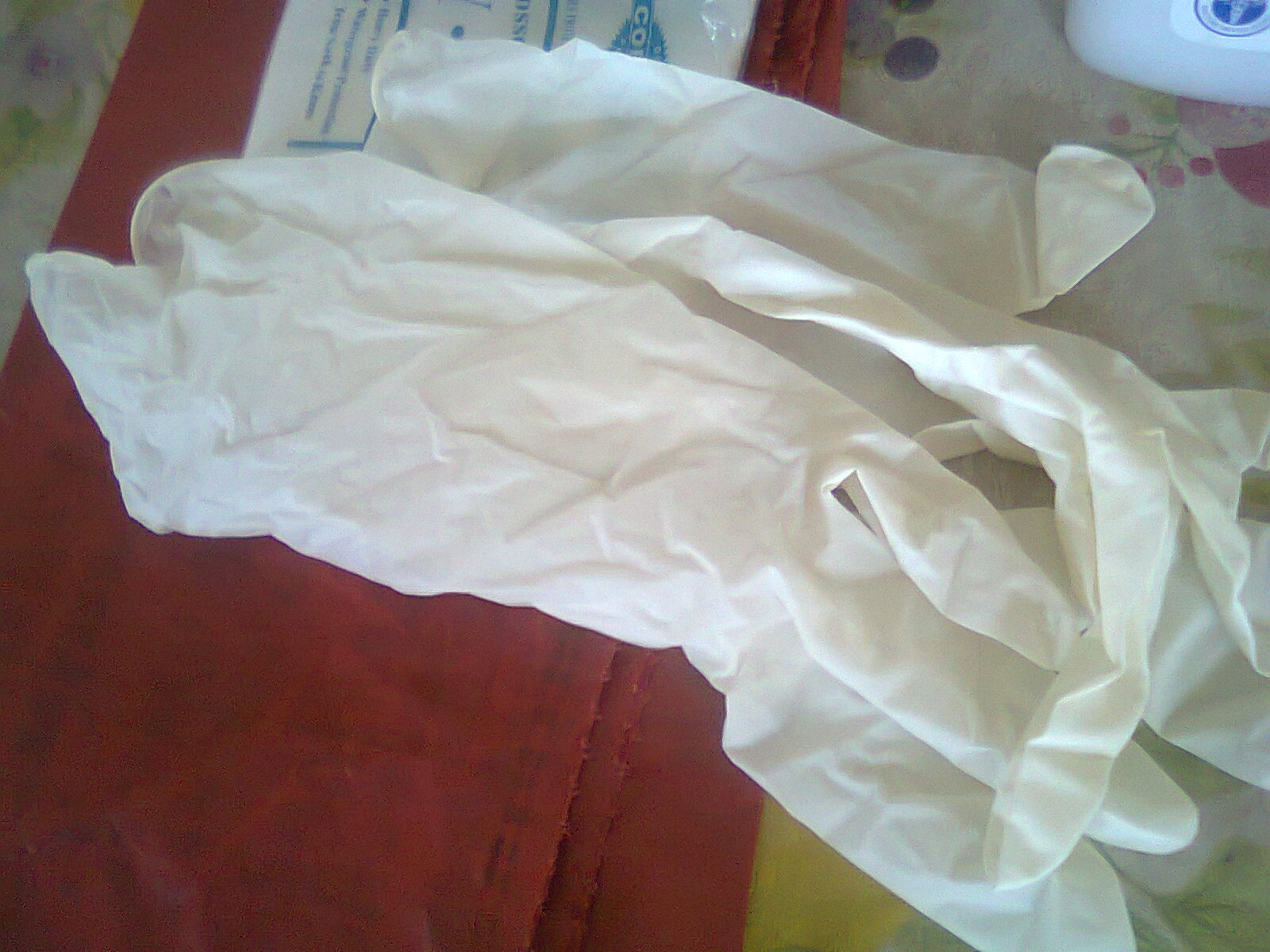


BIO SECURITY MEASURES FOR SUCCESS IN THE POULTRY VALUE CHAIN.
BIOSECURITY.
Following simple but specific protocols everyday to positively influence animal health, food safety and public health.
What are the basic protocols in biosecurity?
Biosecurity basically entails, prevention of pathogens from entering premises to ensure there is no disease incidence, and curtail spread of diseases in cases of outbreaks.
Pathogens are disease causing microorganisms that usually have devastating effect on animals, resulting in decreased production and death in severe cases.
Pathogens can be bacteria, viruses, fungi and prion.
Pathogens .
The animal kingdom is riddled with several pathogens that wreck havoc on these animals irrespective of specie.
These pathogens are also of importance to man, especially when these cause zoonotic diseases.
Zoonotic diseases are spread from animals to man, and sometimes there is a reverse zoonoses where man actually spreads the disease to their animals.
Route of transmission.
The basic routes are:
Direct contact.
Aerosol.
Oral.
Fomites.
Vector borne
Zoonoses.
Reproduction.
Environmental contamination.
Mode of transmission.
Direct contact ;disease spread by contact with open wounds, mucous membrane of an infected animal or its secretions/tissue fluids. Disease can also spread through contact with reproductive fluid(blood, urine and saliva) during breeding, or from mother to offspring.
Aerosol; droplets containing the pathogenic agent travel in air and are inhaled as respiratory droplets by animals
Oral; ingestion of the pathogenic agent from contaminated feed ,chewing/licking contaminated objects in environment and water.
Fomites; spread of the pathogen through contact with inanimate objects contaminated by infected animals. Man can act as fomites by transferring these pathogens in through soiled boots, gloves or tools.
Vector; some insects transfer these pathogens from one animal to another through bites.
Zoonoses; these pathogens are transferred from animals to man.
Environmental contamination is key in transmission as some of these pathogens remain infective in the environment for specific periods, thus establishing a foci of infection the area .
Biosecurity procedures
These are simple ,everyday practices to prevent entry of diseases and spread of diseases.
The protocol must be tailored to your farm setting, the type of pathogens affecting your type of animals and public health implication.
The basic biosecurity plan can be broadly divided into 1) isolation,2) cleaning and disinfection 3) waste disposal.
The chemicals to be used will depend on the targeted pathogen,to ensure we get result.
Steps in biosecurity.
Isolation.
Isolation; this refers to keeping these pathogens out by following these steps 1)wearing personal protective equipment which could be disposable or reusable. These include boots, gloves, outer wear and masks/nose guards.
Provision of clean, sterilized clothes.
Prevent entry into animal housing.
Quarantine new animals to farm for at least a month.
Creation of a safe zone in the premises, where there visitors such as veterinarians can change to protective clothing before they have access to animal housing.
Isolate sick animals .
Screen farm premises to prevent entry of wild animals, birds, rodents and reptiles.
Cleaning, washing and disinfection.
Cleaning ,washing and disinfection; cleaning refers to removing debris, dirt and waste from animal housing prior to washing with soap/detergent and then disinfecting the premises.
This procedure also done for tools and implements. Egg trays, feeders/drinkers are also cleaned, washed and disinfected.
Foot bath/tyre dips are also classed here; where there is a provision of a foot dip with disinfectants at the entrance of the animal housing, while the tyres of vehicles coming to the facility are sprayed with disinfectant.
Hand washing points must be on the premises; when you come in you wash hands and sanitize hands.
Water sources such as tanks, containers are washed and sanitized
Waste disposal.
Waste disposal/handling is a major route of spread of diseases, thus biosecurity practices must include proper management.
Waste should be packed at regular intervals and treated with appropriate chemicals/disinfectants before disposal. This is to ensure that what ever pathogen is in the waste does not persist in the environment.
When waste is to be used as manure, these should be bagged and stored neatly, and the area constantly cleaned. Composting the waste in a secluded section on farm is the best practice.
Disinfectants
The disinfectant to be used in animal facility must be non corrosive, non irritating, does not taint equipment, non toxic, have wide spectrum of use and easy to use.
There are basically 9groups that are of benefit; aldehyde group, quaternary ammonium, oxidizing agents , alcohol, hypochlorites,phenols,iodophors, chlorhexidene and peroxide.
The disinfectant of choice will depend on the pathogen in question and nature of case.
Thank you.


Subscribe to:
Comments (Atom)
Agribusiness Millionaires

Learn how to make money in agribusiness.
Claim your bonus here..

Free dog care guide.
CASSAVA BUSINESS

CASSAVA FLAKES.