 A study by the University of Exeter, funded by BBSRC and published in the Royal Society journal Biological Letters, analysed data from 503 farms which have suffered a TB breakdown alongside 808 control farms in areas of high TB risk.Dr Fiona Mathews, Associate Professor in Mammalian Biology, who led the study, said: "TB is absolutely devastating for farming, and it's essential that workable solutions are found. In the worst hit areas, farms are frequently affected over and over again with crippling consequences. If lower intensity production means better animal health, it offers a sustainable long-term strategy in high risk areas." read more here ;http://www.sciencedaily.com/releases/2015/11/151111055318.htm
Saturday, November 21, 2015
Intensive farming link to bovine TB..
A study by the University of Exeter, funded by BBSRC and published in the Royal Society journal Biological Letters, analysed data from 503 farms which have suffered a TB breakdown alongside 808 control farms in areas of high TB risk.Dr Fiona Mathews, Associate Professor in Mammalian Biology, who led the study, said: "TB is absolutely devastating for farming, and it's essential that workable solutions are found. In the worst hit areas, farms are frequently affected over and over again with crippling consequences. If lower intensity production means better animal health, it offers a sustainable long-term strategy in high risk areas." read more here ;http://www.sciencedaily.com/releases/2015/11/151111055318.htm

Early contact with dogs linked to lower risk of asthma.
 Scientists have used national register information in more than one million children to study the association of early life contact with dogs and subsequent development of asthma. This question has been studied extensively previously, but conclusive findings have been lacking. The new study showed that children who grew up with dogs had about 15 percent less asthma than children without dogs.
read more here;http://www.sciencedaily.com/releases/2015/11/151102143636.htm
Scientists have used national register information in more than one million children to study the association of early life contact with dogs and subsequent development of asthma. This question has been studied extensively previously, but conclusive findings have been lacking. The new study showed that children who grew up with dogs had about 15 percent less asthma than children without dogs.
read more here;http://www.sciencedaily.com/releases/2015/11/151102143636.htm
Evidence of probable transmission of bird flu virus between two unrelated individuals.
The study describes two patients who shared the same ward in a district hospital in Zhejiang Province, China in February 2015.Hospital acquired (nosocomial) infection most likely route of transmission,
The first (index) case was a 49 year old man who became ill after buying two chickens from a live poultry market for the wedding ceremony of his elder daughter. He developed a fever, cough, and sore throat and was admitted to a district hospital on 18 February.
He was diagnosed with H7N9 virus on 24 February and was admitted to a specialist hospital ward with intensive care facilities. He died of multi-organ failure on 20 April.
The second case, a 57 year old man with a history of chronic lung disease (COPD), developed flu-like symptoms after staying on the same ward of the district hospital as the index case for five days (18 to 23 February).
He was diagnosed with H7N9 virus on 25 February and died of respiratory failure on 2 March. A total of 38 close contacts of both cases, including family members and health workers, were tested for the virus.
Two samples taken from the chickens purchased by the index patient as well as five of 11 samples from the live poultry market he visited were positive for H7N9 virus.The second patient had no history of poultry exposure for 15 days prior to his illness. Samples from his home, from chickens raised by his neighbours, and a local chicken farm were all negative for H7N9 virus.
Yet the genetic sequence of H7N9 virus from the second patient was nearly identical to that from the index patient, and genetically similar to the virus samples taken from the live poultry market visited by the index patient.
The researchers stress that they cannot completely rule out an unidentified environmental exposure that might explain the H7N9 infection in the second patient.They say these results "should raise our concern about the increasing threat to public health" and they call for better training and hospital hygiene as well as enhanced surveillance of both patients with influenza-like illness in hospitals and chickens in live poultry markets
Read more about unconventional routes of birdflu virus transmission and how to prevent transmission.http://www.sciencedaily.com/releases/2015/11/151119095824.htm
POOP PILL CURES DEADLY GASTROINTESTINAL DISEASE..
 The country’s first stool bank, OpenBiome, is now selling capsules of fecal matter to treat life-threatening Clostridium difficile, or C. diff, infections.The $635 pill-based therapy, a type of fecal transplant, is highly effective against the difficult-to-treat gastrointestinal infection, according to results of a pilot study. A single dose, which includes a whopping 30 pills, cured 70 percent of patients. A second dose bumped the success rate up to 94 percent. The treatment, currently being sold only to doctors, may offer an easier alternative to other effective fecal transplant routes, namely colonoscopies, nasal tubes, and enemas.
C. diff infections sometimes take root while a patient is on antibiotics, which kills off and disrupts the patient's normal, healthy gut microbiome. In antibiotics’ wake, C. diff bacteria that usually reside quietly in the gut can run amok and produce toxins. Fecal transplants can stamp out the infection by replacing a patient’s disrupted gut microbial community with the gut microbes from a healthy patient, transferred via feces.
Read more ;http://arstechnica.com/science/2015/11/635-poop-pills-cure-deadly-gastrointestinal-infection/
The country’s first stool bank, OpenBiome, is now selling capsules of fecal matter to treat life-threatening Clostridium difficile, or C. diff, infections.The $635 pill-based therapy, a type of fecal transplant, is highly effective against the difficult-to-treat gastrointestinal infection, according to results of a pilot study. A single dose, which includes a whopping 30 pills, cured 70 percent of patients. A second dose bumped the success rate up to 94 percent. The treatment, currently being sold only to doctors, may offer an easier alternative to other effective fecal transplant routes, namely colonoscopies, nasal tubes, and enemas.
C. diff infections sometimes take root while a patient is on antibiotics, which kills off and disrupts the patient's normal, healthy gut microbiome. In antibiotics’ wake, C. diff bacteria that usually reside quietly in the gut can run amok and produce toxins. Fecal transplants can stamp out the infection by replacing a patient’s disrupted gut microbial community with the gut microbes from a healthy patient, transferred via feces.
Read more ;http://arstechnica.com/science/2015/11/635-poop-pills-cure-deadly-gastrointestinal-infection/
GENE THAT MAKES BACTERIA IMMUNE TO LAST RESORT ANTIBIOTICS HAS POTENTIAL TO SPREAD.
 A newly identified gene that renders bacteria resistant to polymyxin antibiotics—drugs often used as the last line of defense against infections—has the potential to be shared between different types of bacteria.
The finding raises concern that the transferable gene could make its way into infectious bacteria that are already highly resistant to drugs, thereby creating strains of bacteria immune to every drug in doctors’ arsenal.Researchers fear it could move to new bacteria and create unstoppable superbugs. The gene, dubbed mcr-1, exists on a tiny, circular piece of DNA called a plasmid.
These genetic elements, common among bacteria, are mobile; bacteria can make copies of them and share them with whatever bacteria happens to be nearby. Though scientists have previously discovered genes for polymyxin resistance, those genes were embedded in bacterial genomes, thus were not likely to easily spread.
Read more;http://arstechnica.com/science/2015/11/gene-that-makes-bacteria-immune-to-last-resort-antibiotic-can-spread/
AGRIBUSINESS: INDISCRIMINATE USE OF ANTIBIOTICS IN FARM ANIMALS AFFECTING KIDS.
 The American Academy of Pediatrics (AAP) argues that unnecessary use of antibiotics in livestock is fueling drug-resistant, life-threatening infections in humans, particularly young children. .
As reported before, the vast majority of antibiotics used in the US go to agriculture and aquaculture—about 80 percent of total tonnage, to be exact. Those drugs are often given to livestock to fatten them up or prevent future illness. Such doses of drugs, many of which have crossovers in human medicine, can spur drug-resistant microbes that may make their way off the farm and spread to food or share their drug-resistant genes with other microbes, the AAP noted.
More than 2 million people in the US catch drug-resistant infections each year, resulting in 23,000 deaths, according to the Centers for Disease Control and Prevention. The agency does not report how many of those infections and deaths are in children. However, previous research has found that the incidence of some types of drug-resistant infections are increasing in children nationwide.
Additionally, the AAP notes that the CDC’s data on foodborne disease incidence shows that kids under 5 years of age are often most at risk. In particular, the AAP’s technical report notes that common foodborne drug-resistant infections in kids include those caused by Salmonella, Campylobacter and Methicillin-resistant Staphylococcus aureus (MRSA)
Kids may be exposed to farm-borne drug-resistant microbes from contact with livestock, food, and environmental sources, such as surfaces in homes and supermarkets.The AAP recommends that livestock producers only give antibiotics to animals when they are sick.Read more here; http://arstechnica.com/science/2015/11/pediatricians-say-farm-use-of-antibiotics-harm ofs-children/
The American Academy of Pediatrics (AAP) argues that unnecessary use of antibiotics in livestock is fueling drug-resistant, life-threatening infections in humans, particularly young children. .
As reported before, the vast majority of antibiotics used in the US go to agriculture and aquaculture—about 80 percent of total tonnage, to be exact. Those drugs are often given to livestock to fatten them up or prevent future illness. Such doses of drugs, many of which have crossovers in human medicine, can spur drug-resistant microbes that may make their way off the farm and spread to food or share their drug-resistant genes with other microbes, the AAP noted.
More than 2 million people in the US catch drug-resistant infections each year, resulting in 23,000 deaths, according to the Centers for Disease Control and Prevention. The agency does not report how many of those infections and deaths are in children. However, previous research has found that the incidence of some types of drug-resistant infections are increasing in children nationwide.
Additionally, the AAP notes that the CDC’s data on foodborne disease incidence shows that kids under 5 years of age are often most at risk. In particular, the AAP’s technical report notes that common foodborne drug-resistant infections in kids include those caused by Salmonella, Campylobacter and Methicillin-resistant Staphylococcus aureus (MRSA)
Kids may be exposed to farm-borne drug-resistant microbes from contact with livestock, food, and environmental sources, such as surfaces in homes and supermarkets.The AAP recommends that livestock producers only give antibiotics to animals when they are sick.Read more here; http://arstechnica.com/science/2015/11/pediatricians-say-farm-use-of-antibiotics-harm ofs-children/
THE FIRST GM FOOD ANIMAL GETS APPROVAL.; THE ATLANTIC SALMON.
 After two decades of deliberation, the USA's Food and Drug Administration has approved the first ever genetically engineered food animal, a fast-growing Atlantic Salmon called AquAdvantage salmon. The modified salmon are safe to eat, equally nutritious as other salmon, and should pose no threat to the environment.The Atlantic salmon are modified to carry a growth hormone gene from Chinook salmon. The gene is further engineered to be under the control of a tiny bit of DNA, called a promoter, from the eel-like ocean pout fish. In general, DNA promoters are non-coding sequences that help control the expression level of a gene—how much protein product is synthesized from the gene. With the engineered promoter boosting hormone production, the modified salmon grow to market-size in about half the time of conventional Atlantic salmon.
The long approval process, the FDA assessed the nutritional profiles and hormone levels, comparing the modified fish to unmodified farm-raised Atlantic salmon. The agency found no significant differences.Read more here;http://arstechnica.com/science/2015/11/fda-approves-first-gmo-food-animal-atlantic-salmon/
After two decades of deliberation, the USA's Food and Drug Administration has approved the first ever genetically engineered food animal, a fast-growing Atlantic Salmon called AquAdvantage salmon. The modified salmon are safe to eat, equally nutritious as other salmon, and should pose no threat to the environment.The Atlantic salmon are modified to carry a growth hormone gene from Chinook salmon. The gene is further engineered to be under the control of a tiny bit of DNA, called a promoter, from the eel-like ocean pout fish. In general, DNA promoters are non-coding sequences that help control the expression level of a gene—how much protein product is synthesized from the gene. With the engineered promoter boosting hormone production, the modified salmon grow to market-size in about half the time of conventional Atlantic salmon.
The long approval process, the FDA assessed the nutritional profiles and hormone levels, comparing the modified fish to unmodified farm-raised Atlantic salmon. The agency found no significant differences.Read more here;http://arstechnica.com/science/2015/11/fda-approves-first-gmo-food-animal-atlantic-salmon/
PROSTHESIS FOR ELEPHANT.
 ( photo credit; internet)
Giving this elephant a new limb and a new lease of life.
( photo credit; internet)
Giving this elephant a new limb and a new lease of life.
Resistance to 'Last-Resort' Antibiotic Found in China
 CHINA - Scientists in China have found increased levels of resistance to an antimicrobial drug used when other drugs have failed, according to a report in the journal Lancet Infectious Diseases.
The scientists were conducting routine surveillance for antibiotic resistance in E. coli when they found the resistant specimen in a pig.
They also found on further investigation that the type of resistance carried can be easily transferred to other bacteria.
The resistance gene was found in 15 per cent of E. coli collected from raw meat samples, 21 per cent of samples from animals and 1 per cent of samples from inpatients with infection.The scientists said that urgent global action was needed to fight antimicrobial resistance.Read more ; http://www.thepoultrysite.com/poultrynews/36184/resistance-to-lastresort-antibiotic-found-in-china/
CHINA - Scientists in China have found increased levels of resistance to an antimicrobial drug used when other drugs have failed, according to a report in the journal Lancet Infectious Diseases.
The scientists were conducting routine surveillance for antibiotic resistance in E. coli when they found the resistant specimen in a pig.
They also found on further investigation that the type of resistance carried can be easily transferred to other bacteria.
The resistance gene was found in 15 per cent of E. coli collected from raw meat samples, 21 per cent of samples from animals and 1 per cent of samples from inpatients with infection.The scientists said that urgent global action was needed to fight antimicrobial resistance.Read more ; http://www.thepoultrysite.com/poultrynews/36184/resistance-to-lastresort-antibiotic-found-in-china/
HORSE RESCUE AFTER DAM BURST!!!
 Read more here;http://www.theguardian.com/world/2015/nov/07/brazilian-rescue-teams-struggle-to-reach-villages-in-path-of-dam-burst#img-1
SMUGGLING OF STAR TORTOISE FROM INDIA.


 A large-scale network,supported by high international demand for exotic pets, is causing extreme suffering to the animals and threatening the survival of the star tortoise. In one site alone, at least 55,000 tortoises were poached from the wild in one year,for centuries, in rural parts of India, star tortoises (Geochelone elegans) have been traditionally kept as pets in many homes, their owners believing that they bring good luck and fortune. The unique star-like yellow pattern on their shell is making them an increasingly popular target for illegal wildlife trade.The number of tortoises being smuggled is staggering. Wildlife experts have estimated more than 50,000 are illegally collected from just one group of villages each year alone.After being transported to eastern India, the tortoises are shipped off to other Asian countries like Thailand, Malaysia, Singapore and China.read more about the illegal trade here;http://www.theguardian.com/environment/gallery/2015/nov/20/fading-stars-indias-illegal-tortoise-trade-in-pictures
Friday, November 20, 2015
Pet owners blamed for increasing risk of MRSA and E.coli by not following animal medicine instructions.
Pet owners who fail to follow their vet’s advice when giving medicines to their animals are increasing the risk of antibiotic resistance of bacteria which can pass between pets and people, Public Health England (PHE) has warned.
The government health body, the Veterinary Medicines Directorate (VMD) and animal charity the Bella Moss Foundation (BMF) are calling on Britons with sick pets to ensure they use antibiotics as directed.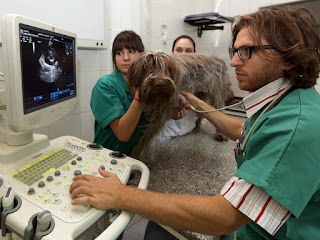 This comes amid growing concern over antibiotic-resistant bacteria, such as MRSA, campylobacter, salmonella, and E.coli.Infections caused by resistant bacteria are a major threat to human and animal health, with treatment options increasingly limited, warns PHE. Read more here;http://www.independent.co.uk/life-style/health-and-families/health-news/pet-owners-blamed-for-increasing-risk-of-mrsa-and-ecoli-by-not-following-animal-medicine-a6738446.html
 This comes amid growing concern over antibiotic-resistant bacteria, such as MRSA, campylobacter, salmonella, and E.coli.Infections caused by resistant bacteria are a major threat to human and animal health, with treatment options increasingly limited, warns PHE. Read more here;http://www.independent.co.uk/life-style/health-and-families/health-news/pet-owners-blamed-for-increasing-risk-of-mrsa-and-ecoli-by-not-following-animal-medicine-a6738446.html


PYOTRAUMATIC DERMATITIS.
Pyotraumatic dermatitis also called hot spots are skin lesions on dogs that can grow rapidly. This is characterized by licking,biting and chewing of a spot on the skin endlessly.The spot increases in a space of some hours with pus in the spot.The biting, chewing and licking make the spot bloody and oozing pus.The spot looses hair rapidly and gives off an offensive odor.
The common causes are 1 )allergic reactions to dust,chemicals and pollen.2) dogs with furry coat are highly susceptible to these spots,because of tangled and matted hair.This makes the coat a good platform for bacteria proliferation because of dead hair inside the skin.3) hypersensitivity in some dogs resulting in excessive chewing,licking and biting.
Licking,biting and chewing on dog's coat results in trauma usually contaminated by secondary bacterial infection resulting in pus and pustule formation.The best way to treat this condition are as follows 1) isolate the spots,by trimming the hair and clean the spot with antibacterial soap.
2)apply topical ointment,to stop itching and odor.The use of coconut oil stops the itching immediately.
3)when pus is oozing out, clean pus and cover with topical antibacterial agent.
PREVENTION; this will include grooming dogs with long coats regularly.Dogs that are hypersensitive, should be groomed with hypoallergenic shampoos and environment should be clean and free of harmful chemicals.
FACTORS AFFECTING GROWTH OF SNAILS.
 Snails will grow when provided with proper environmental and nutritional conditions.The following factors affect growth of snails; these are 1) stress; sudden noise,vibration ,excessive light and excessive touching of snails are stressors that prevent normal growth.
2) overstocking; keeping too many snails per floor space,results in cannibalism , reduced growth and expected turn over.
3)feeding; snails can thrive on fruits,vegetables and compounded ration, but to get the desired growth the snails need to be placed on supplements to boost growth.
4)temperature;the higher the temperature the lower the growth.A temperature above 35 degrees will reduce growth rate of snails.
5) moisture content; the snailery must be moist to assist growth and reproduction,the lower the moisture content the slower the growth rate.
All these factors are still centered on bio security protocols, if not ensured the snails will not grow at all and many will be riddled with disease and many more will die.
Snails will grow when provided with proper environmental and nutritional conditions.The following factors affect growth of snails; these are 1) stress; sudden noise,vibration ,excessive light and excessive touching of snails are stressors that prevent normal growth.
2) overstocking; keeping too many snails per floor space,results in cannibalism , reduced growth and expected turn over.
3)feeding; snails can thrive on fruits,vegetables and compounded ration, but to get the desired growth the snails need to be placed on supplements to boost growth.
4)temperature;the higher the temperature the lower the growth.A temperature above 35 degrees will reduce growth rate of snails.
5) moisture content; the snailery must be moist to assist growth and reproduction,the lower the moisture content the slower the growth rate.
All these factors are still centered on bio security protocols, if not ensured the snails will not grow at all and many will be riddled with disease and many more will die.
COMMON SIGNS OF DISEASE IN SNAILS.
 Snails are easy to manage and are a good source of protein. The iron content makes it a good supplement for anemic patients.The snails are hardy and not easily predisposed to diseases except when management procedures are wrong.
The signs of diseases are 1)inappetence 2) inactivity 3) dryness of the fleshy part 4) nodules on the surface.
The predisposing factors are 1) high temperature in the snailery,temperature higher than 35degrees is detrimental to growth and health.
2)overstocking of snails, and stocking different ages together.
3)excessive amount of sunlight in snailery.
4)dryness of the snailery.
5)feeding moldy feed.
6)feeding contaminated feed, feed of low quality.
7) indiscriminate use of chemicals ,detergents and insecticides around snailery.
8) giving dirty water, or contaminated water.
The best form of prevention is to ensure strict bio security protocol and provide better environmental conditions.
Snails are easy to manage and are a good source of protein. The iron content makes it a good supplement for anemic patients.The snails are hardy and not easily predisposed to diseases except when management procedures are wrong.
The signs of diseases are 1)inappetence 2) inactivity 3) dryness of the fleshy part 4) nodules on the surface.
The predisposing factors are 1) high temperature in the snailery,temperature higher than 35degrees is detrimental to growth and health.
2)overstocking of snails, and stocking different ages together.
3)excessive amount of sunlight in snailery.
4)dryness of the snailery.
5)feeding moldy feed.
6)feeding contaminated feed, feed of low quality.
7) indiscriminate use of chemicals ,detergents and insecticides around snailery.
8) giving dirty water, or contaminated water.
The best form of prevention is to ensure strict bio security protocol and provide better environmental conditions.
Thursday, November 19, 2015
HOW TO BREAK UP A DOG FIGHT WITHOUT GETTING HURT.
 There is no surefire way to break up a fight between dogs, and there is no guarantee that it can be done safely. There are always risks, but some techniques are better bets than others, and depending on the seriousness of the fight, you may be willing to take a big risk. If you ever have the misfortune to see dogs fighting with each other, consider your options and choose what you think is the best way to handle the situation.
Some low risk options for breaking up a dog fight are not always that effective, but they aren’t likely to cause a problem, either. These include making a loud sound such banging any loud meal objects together, blowing an air horn or a sudden yelled, “Hey!” Often dogs ignore these attempts, but for dogs who are not that committed to the fight or who actually want to stop fighting, but can’t seem to break it off themselves, loud startling sounds can work.
It’s true that spraying dogs with a hose may stop a fight, but dogs so rarely fight within reach of one. Even spraying them with water or dumping a bucket of water over them can work, but many dogs don’t seem to care. I’ve heard of cases in which fighting dogs were pushed in a pool and stopped, but again, there’s not always a pool handy when you need one. Spraying dogs with a citronella spray can have the same effect as water.
Using a barrier to separate dogs is riskier than the above suggestions, but also more likely to work. Inserting a cookie sheet, a piece of plywood or even a thick piece of poster board between two dogs can break up a fight. That said, it’s a major feat of coordination to accomplish this in most cases during a highly active altercation. There is a risk of being bitten but the bigger the barrier, the lower the risk because you can keep your hands further away from the mouths of the dogs.
Separating the dogs with direct physical contact has the best chance of stopping the fight, but also poses the biggest risk of you being bitten. It’s wise to lower that probability any way that you can. If two people are there, an option is for each person to grab the back legs of a dog and pull them away from each other. Yes, it can work, and yes, it’s awkward to time this right. Dogs have almost no power when their back legs are not in contact with the ground, which is why this is not likely to lead to a bite to the people. Of course, a failed attempt in which one dog is being held and the other gets away can put everybody at risk. I’ve seen people separate dogs by grabbing tails instead of hind legs. It’s not very pleasant for the dogs, but is generally better than continuing to fight.
Read how a dog owner got severely beaten when she tried separating her dogs, yes ! her dogs.http://thebark.com/content/breaking-dog-fight-risky
There is no surefire way to break up a fight between dogs, and there is no guarantee that it can be done safely. There are always risks, but some techniques are better bets than others, and depending on the seriousness of the fight, you may be willing to take a big risk. If you ever have the misfortune to see dogs fighting with each other, consider your options and choose what you think is the best way to handle the situation.
Some low risk options for breaking up a dog fight are not always that effective, but they aren’t likely to cause a problem, either. These include making a loud sound such banging any loud meal objects together, blowing an air horn or a sudden yelled, “Hey!” Often dogs ignore these attempts, but for dogs who are not that committed to the fight or who actually want to stop fighting, but can’t seem to break it off themselves, loud startling sounds can work.
It’s true that spraying dogs with a hose may stop a fight, but dogs so rarely fight within reach of one. Even spraying them with water or dumping a bucket of water over them can work, but many dogs don’t seem to care. I’ve heard of cases in which fighting dogs were pushed in a pool and stopped, but again, there’s not always a pool handy when you need one. Spraying dogs with a citronella spray can have the same effect as water.
Using a barrier to separate dogs is riskier than the above suggestions, but also more likely to work. Inserting a cookie sheet, a piece of plywood or even a thick piece of poster board between two dogs can break up a fight. That said, it’s a major feat of coordination to accomplish this in most cases during a highly active altercation. There is a risk of being bitten but the bigger the barrier, the lower the risk because you can keep your hands further away from the mouths of the dogs.
Separating the dogs with direct physical contact has the best chance of stopping the fight, but also poses the biggest risk of you being bitten. It’s wise to lower that probability any way that you can. If two people are there, an option is for each person to grab the back legs of a dog and pull them away from each other. Yes, it can work, and yes, it’s awkward to time this right. Dogs have almost no power when their back legs are not in contact with the ground, which is why this is not likely to lead to a bite to the people. Of course, a failed attempt in which one dog is being held and the other gets away can put everybody at risk. I’ve seen people separate dogs by grabbing tails instead of hind legs. It’s not very pleasant for the dogs, but is generally better than continuing to fight.
Read how a dog owner got severely beaten when she tried separating her dogs, yes ! her dogs.http://thebark.com/content/breaking-dog-fight-risky
PET SUMMIT.
 A forum for dog lovers,owners, academicians,nutritionist and pet researchers, all came together to learn,rub minds and exchange ideas.
Purina’s commitment to offering a forum of ideas is commendable. In a similar vein, the company hosted another notable event on November 7—a free live video cast of the Family Dog Project from Hungary—with over a dozen presentations by leading scientists and animal behaviorist exploring everything from canine cognition to sensory perception in dogs. Like the Pet Summit, it was a fascinating collection of concepts and dialogue, enriching to everybody who participated.
The afternoon offered a room full of experiential exhibits—interactive displays that provided lessons in healthy environments, cognition, reading your pet, nutrition and your pet’s purpose. Manned by teams of experts, the well designed displays presented an immersive course in Dog and Cat 101. I’d love to see the exhibits showcased to the general public, those most in need of education and guidance in the proper care of pet companions.Read more about event here; http://thebark.com/content/better-pets-summit
A forum for dog lovers,owners, academicians,nutritionist and pet researchers, all came together to learn,rub minds and exchange ideas.
Purina’s commitment to offering a forum of ideas is commendable. In a similar vein, the company hosted another notable event on November 7—a free live video cast of the Family Dog Project from Hungary—with over a dozen presentations by leading scientists and animal behaviorist exploring everything from canine cognition to sensory perception in dogs. Like the Pet Summit, it was a fascinating collection of concepts and dialogue, enriching to everybody who participated.
The afternoon offered a room full of experiential exhibits—interactive displays that provided lessons in healthy environments, cognition, reading your pet, nutrition and your pet’s purpose. Manned by teams of experts, the well designed displays presented an immersive course in Dog and Cat 101. I’d love to see the exhibits showcased to the general public, those most in need of education and guidance in the proper care of pet companions.Read more about event here; http://thebark.com/content/better-pets-summit
ZEOLITES FOR WASTE MANAGEMENT IN DIARY FARM.
• Waste management is an important issue in livestock, with each producer looking for a better way to manage waste. The biogas has been implemented in some farms now the use of Zeolites is another option. Dean Swagger is a dairy man, with a dairy herd of approximately 4,000 head, handling manure in a way that is friendly both to his neighbors and the environment is a key priority.
That’s why he has partnered with Mario de Haro-Marti, University of Idaho Extension educator in Gooding County to test different methods for handling dairy waste. De Haro-Marti specializes in dairy and livestock environmental education.One the new methods that shows promise is a zeolite filter to remove ammonia and odor from a dairy manure flush system’s pit. Swagger Dairy has a mix of flushed free stalls and open lots.
The collection pit receiving the flush water was capped during the summer of 2015. Gases were collected using a fan with variable frequency drive connected to floats and then passed through a self-contained pressurized zeolite filter.
Zeolites are highly absorbent porous minerals, composed largely of silica and aluminum. They are useful for their ability to capture and hold a variety of undesirable materials, much like a sponge absorbs water. Zeolites have long been used in water filtration systems or in aquariums.
Preliminary results from three replicated on-farm trials showed that the ammonia levels were reduced from 53 to 92 percent in 2015. Odor emissions were also reduced by 45 percent. The project was funded through a USDA Natural Resources Conservation Service Conservation Innovation Grant.
Based on those results and what he observed during the trial period, Swagger believes the zeolite filter worked but he’s not convinced it’s a solution for everyone.
Read more here;http://magicvalley.com/business/agriculture/research-shows-new-options-for-manure-management/article_4f7f55cd-0648-5ca9-ad77-cf80feb8d125.html

Subscribe to:
Comments (Atom)
Agribusiness Millionaires

Learn how to make money in agribusiness.
Claim your bonus here..

Free dog care guide.
CASSAVA BUSINESS

CASSAVA FLAKES.