
Tuesday, December 8, 2015

PATHOGEN DETECTION USING LASER.
 The technology is based on elastic light scatter(ELS),it uses laser to fire at a colony on an agar plate and the light scatter that it produces a pattern used for identification. Read more about the technology here;http://www.foodqualitynews.com/R-D/Hettich-and-Purdue-present-elastic-light-scatter-technology/?utm_source=Newsletter_Subject&utm_medium=email&utm_campaign=Newsletter%2BSubject&c=
DISEASE PREVENTION IN POULTRY FARMS.
Bio security is a set of protocols that are simple but specific that positively influence animal health,public health and ensure food safety.
Personal hygiene plays a vital role in disease prevention; the use of protective clothing and shoes is a major way to stay safe and keep flock clean. The protective clothing could be disposable or re use-able and the level protection required will depend on the case at hand.
The normal protective clothing for every day farm use include, the overalls,gloves and boots.The level of protection becomes more sophisticated in outbreak cases, where disposable protective clothing are worn with the use of nose guards/respirators.
. The use of protective clothing and boots is complemented with hand washing and disinfection. The clothes and boots are to be washed ,and disinfected after every use.
HAND WASHING: this can be achieved with soap and disinfectants.The wash bowls should be placed at key points in the farm,and washing should be done before you enter farm and handle birds.
Alcohol swipes also come in handy after washing, these can be used to ensure the hands are clean and germ free.
 Foot dip: vats filled with disinfectant and placed at entrance of farms. The disinfectants should be changed at regular intervals.


Personal hygiene plays a vital role in disease prevention; the use of protective clothing and shoes is a major way to stay safe and keep flock clean. The protective clothing could be disposable or re use-able and the level protection required will depend on the case at hand.
The normal protective clothing for every day farm use include, the overalls,gloves and boots.The level of protection becomes more sophisticated in outbreak cases, where disposable protective clothing are worn with the use of nose guards/respirators.
. The use of protective clothing and boots is complemented with hand washing and disinfection. The clothes and boots are to be washed ,and disinfected after every use.
HAND WASHING: this can be achieved with soap and disinfectants.The wash bowls should be placed at key points in the farm,and washing should be done before you enter farm and handle birds.
Alcohol swipes also come in handy after washing, these can be used to ensure the hands are clean and germ free.
 Foot dip: vats filled with disinfectant and placed at entrance of farms. The disinfectants should be changed at regular intervals.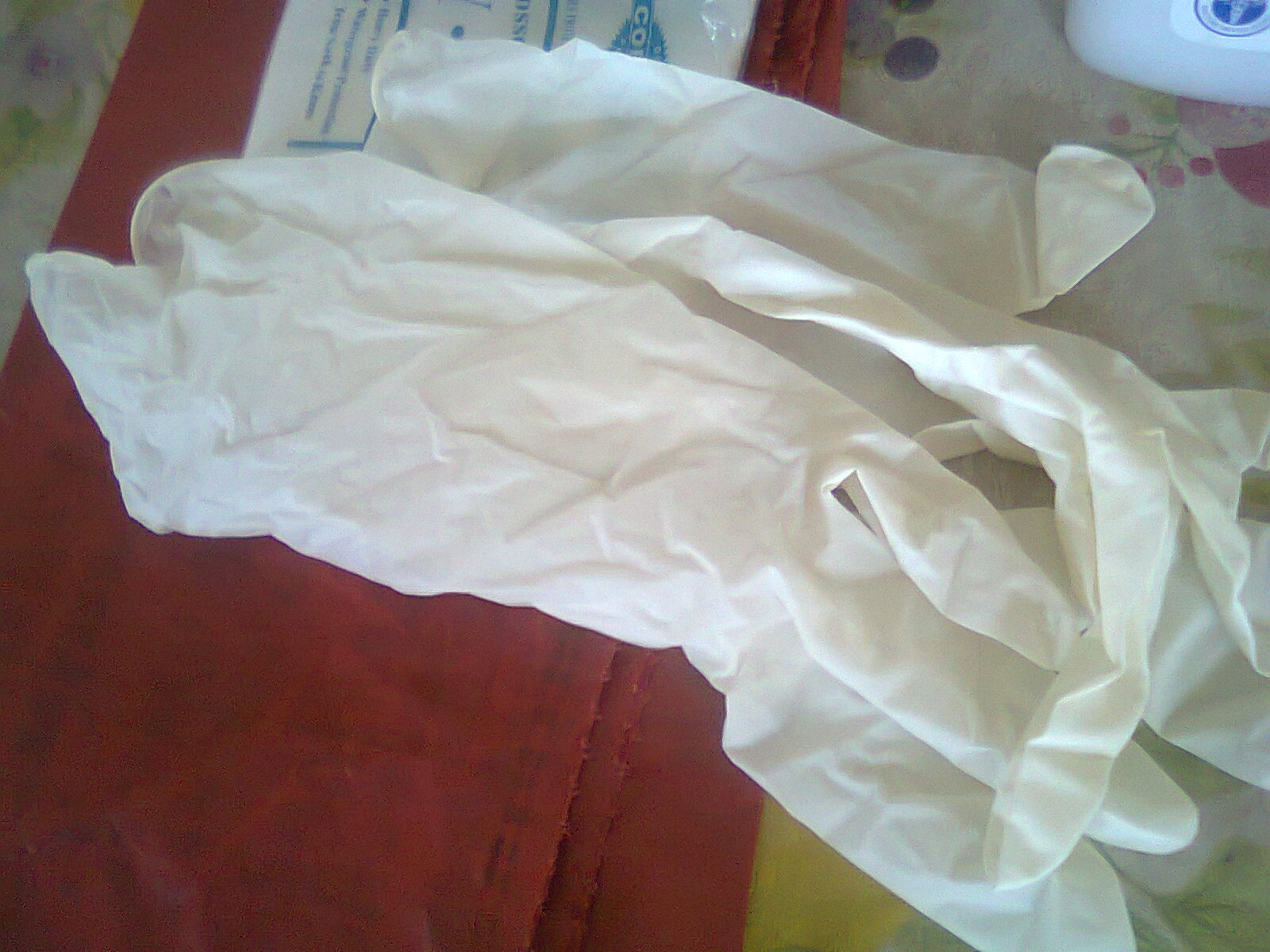


BIO SECURITY MEASURES FOR SUCCESS IN THE POULTRY VALUE CHAIN.
BIOSECURITY.
Following simple but specific protocols everyday to positively influence animal health, food safety and public health.
What are the basic protocols in biosecurity?
Biosecurity basically entails, prevention of pathogens from entering premises to ensure there is no disease incidence, and curtail spread of diseases in cases of outbreaks.
Pathogens are disease causing microorganisms that usually have devastating effect on animals, resulting in decreased production and death in severe cases.
Pathogens can be bacteria, viruses, fungi and prion.
Pathogens .
The animal kingdom is riddled with several pathogens that wreck havoc on these animals irrespective of specie.
These pathogens are also of importance to man, especially when these cause zoonotic diseases.
Zoonotic diseases are spread from animals to man, and sometimes there is a reverse zoonoses where man actually spreads the disease to their animals.
Route of transmission.
The basic routes are:
Direct contact.
Aerosol.
Oral.
Fomites.
Vector borne
Zoonoses.
Reproduction.
Environmental contamination.
Mode of transmission.
Direct contact ;disease spread by contact with open wounds, mucous membrane of an infected animal or its secretions/tissue fluids. Disease can also spread through contact with reproductive fluid(blood, urine and saliva) during breeding, or from mother to offspring.
Aerosol; droplets containing the pathogenic agent travel in air and are inhaled as respiratory droplets by animals
Oral; ingestion of the pathogenic agent from contaminated feed ,chewing/licking contaminated objects in environment and water.
Fomites; spread of the pathogen through contact with inanimate objects contaminated by infected animals. Man can act as fomites by transferring these pathogens in through soiled boots, gloves or tools.
Vector; some insects transfer these pathogens from one animal to another through bites.
Zoonoses; these pathogens are transferred from animals to man.
Environmental contamination is key in transmission as some of these pathogens remain infective in the environment for specific periods, thus establishing a foci of infection the area .
Biosecurity procedures
These are simple ,everyday practices to prevent entry of diseases and spread of diseases.
The protocol must be tailored to your farm setting, the type of pathogens affecting your type of animals and public health implication.
The basic biosecurity plan can be broadly divided into 1) isolation,2) cleaning and disinfection 3) waste disposal.
The chemicals to be used will depend on the targeted pathogen,to ensure we get result.
Steps in biosecurity.
Isolation.
Isolation; this refers to keeping these pathogens out by following these steps 1)wearing personal protective equipment which could be disposable or reusable. These include boots, gloves, outer wear and masks/nose guards.
Provision of clean, sterilized clothes.
Prevent entry into animal housing.
Quarantine new animals to farm for at least a month.
Creation of a safe zone in the premises, where there visitors such as veterinarians can change to protective clothing before they have access to animal housing.
Isolate sick animals .
Screen farm premises to prevent entry of wild animals, birds, rodents and reptiles.
Cleaning, washing and disinfection.
Cleaning ,washing and disinfection; cleaning refers to removing debris, dirt and waste from animal housing prior to washing with soap/detergent and then disinfecting the premises.
This procedure also done for tools and implements. Egg trays, feeders/drinkers are also cleaned, washed and disinfected.
Foot bath/tyre dips are also classed here; where there is a provision of a foot dip with disinfectants at the entrance of the animal housing, while the tyres of vehicles coming to the facility are sprayed with disinfectant.
Hand washing points must be on the premises; when you come in you wash hands and sanitize hands.
Water sources such as tanks, containers are washed and sanitized
Waste disposal.
Waste disposal/handling is a major route of spread of diseases, thus biosecurity practices must include proper management.
Waste should be packed at regular intervals and treated with appropriate chemicals/disinfectants before disposal. This is to ensure that what ever pathogen is in the waste does not persist in the environment.
When waste is to be used as manure, these should be bagged and stored neatly, and the area constantly cleaned. Composting the waste in a secluded section on farm is the best practice.
Disinfectants
The disinfectant to be used in animal facility must be non corrosive, non irritating, does not taint equipment, non toxic, have wide spectrum of use and easy to use.
There are basically 9groups that are of benefit; aldehyde group, quaternary ammonium, oxidizing agents , alcohol, hypochlorites,phenols,iodophors, chlorhexidene and peroxide.
The disinfectant of choice will depend on the pathogen in question and nature of case.
Thank you.


MORE BIRD FLU OUTBREAKS IN FRANCE!!!
 FRANCE - Following the detection of three avian influenza outbreaks in Dordogne, three more outbreaks have been confirmed in Landes and Dordogne.
The new outbreaks were detected after increased surveillance was put into place across France, including active surveillance of clinical signs of avian influenza in sensitive species. Abnormal mortality levels detected by farmers have also led to systematic sampling. The confirmed outbreaks, which took place in guinea fowl and ducks in Landes and ducks in Dordogne, a press release from the French agriculture ministry said that other outbreaks were suspected. Protection zones, surveillance, biosecurity and stamping out of the disease on the affected farms have been used to try and prevent the virus spreading.
The issue of biosecurity with active surveillance is key to curb the spread of the virus and the issue of early reporting when there is a high number of mortality with a short period ,is also very important.
story credit; poultry site.
FRANCE - Following the detection of three avian influenza outbreaks in Dordogne, three more outbreaks have been confirmed in Landes and Dordogne.
The new outbreaks were detected after increased surveillance was put into place across France, including active surveillance of clinical signs of avian influenza in sensitive species. Abnormal mortality levels detected by farmers have also led to systematic sampling. The confirmed outbreaks, which took place in guinea fowl and ducks in Landes and ducks in Dordogne, a press release from the French agriculture ministry said that other outbreaks were suspected. Protection zones, surveillance, biosecurity and stamping out of the disease on the affected farms have been used to try and prevent the virus spreading.
The issue of biosecurity with active surveillance is key to curb the spread of the virus and the issue of early reporting when there is a high number of mortality with a short period ,is also very important.
story credit; poultry site.
Monday, December 7, 2015
LYME DISEASE.
Lyme disease is the most common vector-borne illness . The spirochete, which causes the disease, is transmitted by Ixodes ticks, For a person to develop Lyme disease, he or she must be bitten by an infected tick and the organism is transmitted only if the tick is infected and if the tick feeds long enough for more than 36 hours.
The major sign in early localized Lyme disease is the bull’s eye rash: erythema migrans. The rash begins at the tick bite site and expands over days to reach diameters in excess of 5 cm. Generally, the border of the rash is erythematous, with central clearing, although at times the center is erythematous or even purplish. Fever, malaise, aches and pains often accompany the rash. The rash resolves with or without antibiotic therapy. Some patients will develop early disseminated disease in which there are multiple erythema migrans. Cranial nerve palsies, most often the seventh nerve, may occur in this stage. Aseptic meningitis occurs in some patients and can be difficult to distinguish from viral meningitis. However, the onset is generally more insidious than viral meningitis. Carditis occurs in this stage but is rare in children; carditis presents as heart block. Late disease is characterized by arthritis, generally Central nervous system disease and peripheral neuropathy are rare manifestations of late Lyme disease.
Prevention relies on avoidance of tick bites or prompt removal of the tick before transmission of the spirochete occurs. Ticks are most common in high grass or weeds. In general, if you can see your shoes, you are not likely to be bitten. This was shown in a study of golfers that correlated likelihood of Lyme disease with time spent in the rough. Tick checks are important so that the tick can be removed promptly. Lyme disease treatment ;Treatment depends upon the stage of the infection. For children aged 8 years and older, doxycycline is given for 2 to 3 weeks; amoxicillin is used in younger children or those who cannot tolerate doxycycline. Parenteral therapy is reserved for patients with persistent arthritis or meningitis; however, many experts would consider repeating an oral course of antibiotics for arthritis and using doxycycline for meningitis. As with many infections, symptoms often persist after completion of an effective antibiotic course. There is no evidence that prolonged antibiotic courses are needed or are helpful.
read more here; http://www.healio.com/pediatrics/news/print/infectious-diseases-in-children/%7B77a7f447-979e-4655-9993-fd4dab45e8f0%7D/lyme-disease-staying-on-track
Lyme disease treatment ;Treatment depends upon the stage of the infection. For children aged 8 years and older, doxycycline is given for 2 to 3 weeks; amoxicillin is used in younger children or those who cannot tolerate doxycycline. Parenteral therapy is reserved for patients with persistent arthritis or meningitis; however, many experts would consider repeating an oral course of antibiotics for arthritis and using doxycycline for meningitis. As with many infections, symptoms often persist after completion of an effective antibiotic course. There is no evidence that prolonged antibiotic courses are needed or are helpful.
read more here; http://www.healio.com/pediatrics/news/print/infectious-diseases-in-children/%7B77a7f447-979e-4655-9993-fd4dab45e8f0%7D/lyme-disease-staying-on-track
 Lyme disease treatment ;Treatment depends upon the stage of the infection. For children aged 8 years and older, doxycycline is given for 2 to 3 weeks; amoxicillin is used in younger children or those who cannot tolerate doxycycline. Parenteral therapy is reserved for patients with persistent arthritis or meningitis; however, many experts would consider repeating an oral course of antibiotics for arthritis and using doxycycline for meningitis. As with many infections, symptoms often persist after completion of an effective antibiotic course. There is no evidence that prolonged antibiotic courses are needed or are helpful.
read more here; http://www.healio.com/pediatrics/news/print/infectious-diseases-in-children/%7B77a7f447-979e-4655-9993-fd4dab45e8f0%7D/lyme-disease-staying-on-track
Lyme disease treatment ;Treatment depends upon the stage of the infection. For children aged 8 years and older, doxycycline is given for 2 to 3 weeks; amoxicillin is used in younger children or those who cannot tolerate doxycycline. Parenteral therapy is reserved for patients with persistent arthritis or meningitis; however, many experts would consider repeating an oral course of antibiotics for arthritis and using doxycycline for meningitis. As with many infections, symptoms often persist after completion of an effective antibiotic course. There is no evidence that prolonged antibiotic courses are needed or are helpful.
read more here; http://www.healio.com/pediatrics/news/print/infectious-diseases-in-children/%7B77a7f447-979e-4655-9993-fd4dab45e8f0%7D/lyme-disease-staying-on-track
Boost yield and product quality by combining injecting and massaging
THE APPROPRIATE INJECTION PATTERN
The GEA YieldJector's dense injection pattern gives more than twice the injection points of a conventional injector, providing the highest number of injection points in its class. This optimizes brine distribution, also under and around the bone. GEA injectors offer this possibility because it features injection heads with individual needles that retract when hitting a bone, further increasing the needle-in-meatratio.
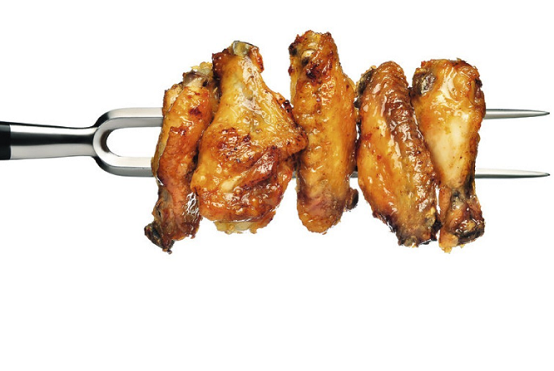
Marinating bone-in and skin-on poultry products like wings, drumsticks, thighs, legs and whole or half birds adds flavor and boosts value. Traditionally this is carried out using tumbling only. Not only this is a time-consuming batch process, but it also leads to wet products at the outfeed and unsightly effects like skin slip. Combining injecting and massaging in the GEA Fresh enhanced line overcomes these drawbacks. GEA Food Solutions has a complete solution to increases efficiency, produce a more appetizing looking product and boost yield by up to 4%.
Injecting
AccuJector with chicken wings on belt
Bone-in and skin-on poultry parts present specific challenges for injection. Conventional needles have a tendency to break or deform when they hit bone, whereas larger diameters needles leave visible marks in the skin and damage the bone. To overcome these drawbacks, the poultry parts injection solution incorporates a GEA YieldJector, which has an exceptionally high number of injection points and works with sharp, small diameter GEA OptiFlex needles.
appearance and an improvement in processing efficiency. Frying/Cooking/Roasting
GEA CookStar_Outfeed with chicken legs
Yield is most influenced by weight loss during further processing. The better the brine distribution and the lower the deviation between products, the higher the potential yield and capacity during the frying, cooking and/or roasting processes. Add to this the optimal frying control and oil filtration of the GEA EasyFry and the precisely controlled cooking process of the GEA CookStar and you benefit from the best possible processing efficiency.
 Read more here;http://www.gea.com/global/en/articles/bone-in-poultry/index.jsp
 Read more here;http://www.gea.com/global/en/articles/bone-in-poultry/index.jsp
Subscribe to:
Posts (Atom)
Agribusiness Millionaires

Learn how to make money in agribusiness.
Popular Posts
-
 VETERINARY MEDICINE: Can Cats Have Down Syndrome? Can cats have Down Syndrome?” to be able to give you a clear and definitive answer. We’l...
 -
Moringa a super-food additive is fast gaining recognition all over the world because of its outstanding properties that translate to our ...
-
Does caffeine keep you younger for longer? Stanford study thinks so : The anti-inflammatory properties of caffeine may be why coffee drinker...
-
Five ways agriculture could benefit from artificial intelligence. Agriculture is the industry that accompanied the evolution of humanity ...
-
Heat stress is a growing issue for high producing cattle but rumen specific live yeast and antioxidants can counteract the effects of th...
-
 The bird flu virus is inactivated by heat,hence cooking at high temperature of 70°c will destroy the virus.This fact is of importance whe...
Claim your bonus here..

Free dog care guide.
CASSAVA BUSINESS

CASSAVA FLAKES.