
Monday, November 30, 2015

FRANCE HIT BY FIRST BIRD FLU OUTBREAK IN 8 YEARS.
 The highly pathogenic bird flu virus H5N1 has been discovered on a farm in Dordogne,where it killed 75% of birds on the farm . A 10km surveillance radius has been established around farm to prevent spread to other poultry farms.The agriculture minister confirmed the outbreak,and south Korea has banned importation of poultry from France.
The virus is deadly and spreads easily if bio security protocols are not enforced, hand washing after handling birds is very important.read more here;
http://www.globalmeatnews.com/Industry-Markets/France-hit-by-first-bird-flu-outbreak-in-eight-years/?utm_source=newsletter_daily&utm_medium=email&utm_campaign=30-Nov-2015&c=KviYxCjZMiXfdfZP1fvhvMG3x5RsDoMO&p2=
The highly pathogenic bird flu virus H5N1 has been discovered on a farm in Dordogne,where it killed 75% of birds on the farm . A 10km surveillance radius has been established around farm to prevent spread to other poultry farms.The agriculture minister confirmed the outbreak,and south Korea has banned importation of poultry from France.
The virus is deadly and spreads easily if bio security protocols are not enforced, hand washing after handling birds is very important.read more here;
http://www.globalmeatnews.com/Industry-Markets/France-hit-by-first-bird-flu-outbreak-in-eight-years/?utm_source=newsletter_daily&utm_medium=email&utm_campaign=30-Nov-2015&c=KviYxCjZMiXfdfZP1fvhvMG3x5RsDoMO&p2=
Sunday, November 29, 2015
EYE HEALTH IN DOGS.
 Eyes of the dog should be checked regularly as they are pointers to the state of health.Eye infections can be localized or it can be a spill over of a systemic infection.Eyes should be bright,clear ,clean and must not exhibit any discharges, must not be red or blood shoot.
Dogs sometimes present sleepy dust,which is simply dried mucus ,a natural protective secretion that keeps eyes clean.This is easily removed by using moist cotton balls.
The eye conditions include conjunctivitis, abscesses, pink eye,tumors, entropion and ectropion. Conjunctivitis is the most common,this is the inflammation of the eye's protective mucous membrane. The eye is usually red, swollen and with watery or mucoid discharges when its an irritation or allergy or trauma. When there is an infection ,the eyes are red,swollen and discharges become yellow to green.
Treatment; 1)clean the affected eye.with moist cotton.
2)note type of discharge.
3) apply an eye drop; that has anti inflammatory and antibiotic properties.
4) give vitamin c supplement and cool water.
5) prevent exposure to sun.
Eyes of the dog should be checked regularly as they are pointers to the state of health.Eye infections can be localized or it can be a spill over of a systemic infection.Eyes should be bright,clear ,clean and must not exhibit any discharges, must not be red or blood shoot.
Dogs sometimes present sleepy dust,which is simply dried mucus ,a natural protective secretion that keeps eyes clean.This is easily removed by using moist cotton balls.
The eye conditions include conjunctivitis, abscesses, pink eye,tumors, entropion and ectropion. Conjunctivitis is the most common,this is the inflammation of the eye's protective mucous membrane. The eye is usually red, swollen and with watery or mucoid discharges when its an irritation or allergy or trauma. When there is an infection ,the eyes are red,swollen and discharges become yellow to green.
Treatment; 1)clean the affected eye.with moist cotton.
2)note type of discharge.
3) apply an eye drop; that has anti inflammatory and antibiotic properties.
4) give vitamin c supplement and cool water.
5) prevent exposure to sun.
FEVER IN DOGS.
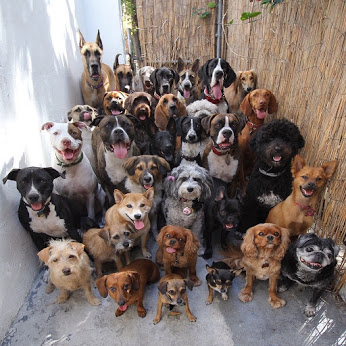 Fever refers to an elevated temperature, also called hyperthermia occurs when the body temperature of the dog is way past the normal range.Fever is not a disease but an indication that pet is fighting an infection.Infections and inflammation results in fever in dogs.When a pet is exposed to infection or there is an underlying inflammatory reaction,the body's first response is to fight the infection and this is characterized with an elevated temperature. Fever occurs in bacterial,viral, fungal infection, cases of abscess,urinary tract infection and pneumonia. The cause can sometimes be unknown and its associated with immune system, fever if prolonged results in damage of internal organs.
The common signs associated with fever are 1) inappetence. 2) weakness 3)depression 4) shivering 5)coughing 6) dehydration.
Treatment; check older post.
Fever refers to an elevated temperature, also called hyperthermia occurs when the body temperature of the dog is way past the normal range.Fever is not a disease but an indication that pet is fighting an infection.Infections and inflammation results in fever in dogs.When a pet is exposed to infection or there is an underlying inflammatory reaction,the body's first response is to fight the infection and this is characterized with an elevated temperature. Fever occurs in bacterial,viral, fungal infection, cases of abscess,urinary tract infection and pneumonia. The cause can sometimes be unknown and its associated with immune system, fever if prolonged results in damage of internal organs.
The common signs associated with fever are 1) inappetence. 2) weakness 3)depression 4) shivering 5)coughing 6) dehydration.
Treatment; check older post.
EQUINE GRASS SICKNESS.
 Equine grass sickness is fatal condition in horses on pasture, the condition results in colic and prognosis is guarded.The condition affects all age groups,can occur at any time but very common in wet conditions/seasons.
The cause of the condition has been pinned as Clostridium botulinum,this bacteria lives in moist soil and when it spreads on grass its eaten by the horse,resulting in severe poisoning. The bacteria toxins affect the horses's intestinal tract which affects the nerves causing a dysfunction resulting in severe colic.
The onset of the equine grass sickness could be per acute, acute and chronic.In per acute cases the horses are found dead.The prognosis in the chronic and acute cases are guarded.
The acute case, the onset is sudden, with severe abdominal discomfort, high pulse rate and restlessness. The treatment is colic surgery.While the chronic case ,the horse slowly develops a persistent low grade colic with rapid weight loss.The upper eye lid is droopy and there is sticky nasal discharge, and fecal balls are hard and small.The treatment is pain relief and supportive therapy.
Equine grass sickness can be prevented with pasture identification; if an area has record of such sickness avoid letting horses in area.Where there has been recent work lately, that involves soil works or turning should be avoided.Areas where dead animals are commonly found in pasture should be avoided.Horses that do not depend solely on grasses for nutrition hardly come down with grass sickness,thus feeding hay at pasture and bringing horses in to stable at night may help reduce its occurrence.
Equine grass sickness is fatal condition in horses on pasture, the condition results in colic and prognosis is guarded.The condition affects all age groups,can occur at any time but very common in wet conditions/seasons.
The cause of the condition has been pinned as Clostridium botulinum,this bacteria lives in moist soil and when it spreads on grass its eaten by the horse,resulting in severe poisoning. The bacteria toxins affect the horses's intestinal tract which affects the nerves causing a dysfunction resulting in severe colic.
The onset of the equine grass sickness could be per acute, acute and chronic.In per acute cases the horses are found dead.The prognosis in the chronic and acute cases are guarded.
The acute case, the onset is sudden, with severe abdominal discomfort, high pulse rate and restlessness. The treatment is colic surgery.While the chronic case ,the horse slowly develops a persistent low grade colic with rapid weight loss.The upper eye lid is droopy and there is sticky nasal discharge, and fecal balls are hard and small.The treatment is pain relief and supportive therapy.
Equine grass sickness can be prevented with pasture identification; if an area has record of such sickness avoid letting horses in area.Where there has been recent work lately, that involves soil works or turning should be avoided.Areas where dead animals are commonly found in pasture should be avoided.Horses that do not depend solely on grasses for nutrition hardly come down with grass sickness,thus feeding hay at pasture and bringing horses in to stable at night may help reduce its occurrence.
Saturday, November 28, 2015
TREATMENT OF NEONATAL MALADJUSTMENT SYNDROME.
Watch video of treatment here;https://youtu.be/zmbhp4mbZX4 via @YouTube Using several loops of a soft rope to gently squeeze the foal’s upper torso for 20 minutes—to mimic the time spent experiencing birth canal’s pressure—can ease the disorder’s symptoms, researchers have found. Early cases have produced some success. foal maladjustment syndrome.
 Using several loops of a soft rope to gently squeeze the foal’s upper torso for 20 minutes—to mimic the time spent experiencing birth canal’s pressure—can ease the disorder’s symptoms, researchers have found. Early cases have produced some success. foal maladjustment syndrome.
Subscribe to:
Posts (Atom)
Agribusiness Millionaires

Learn how to make money in agribusiness.
Popular Posts
-
Heat stress is a growing issue for high producing cattle but rumen specific live yeast and antioxidants can counteract the effects of th...
-
Five ways agriculture could benefit from artificial intelligence. Agriculture is the industry that accompanied the evolution of humanity ...
-
 The bird flu virus is inactivated by heat,hence cooking at high temperature of 70°c will destroy the virus.This fact is of importance whe...
 -
 The pictures of tigers in a Chinese zoo has been making rounds and various animal groups and sectors of the society have different view...
 -
Diarrhoea is usually a sign of an underlying condition,its not a disease on its own. Diarrhoea is usually from infectious or non infectiou...
-
Veterinary Medicine: How to feed a cat: Consensus statement to the veterinary community.The American Association of Feline Practitioners (...
Claim your bonus here..

Free dog care guide.
CASSAVA BUSINESS

CASSAVA FLAKES.