 Eyes of the dog should be checked regularly as they are pointers to the state of health.Eye infections can be localized or it can be a spill over of a systemic infection.Eyes should be bright,clear ,clean and must not exhibit any discharges, must not be red or blood shoot.
Dogs sometimes present sleepy dust,which is simply dried mucus ,a natural protective secretion that keeps eyes clean.This is easily removed by using moist cotton balls.
The eye conditions include conjunctivitis, abscesses, pink eye,tumors, entropion and ectropion. Conjunctivitis is the most common,this is the inflammation of the eye's protective mucous membrane. The eye is usually red, swollen and with watery or mucoid discharges when its an irritation or allergy or trauma. When there is an infection ,the eyes are red,swollen and discharges become yellow to green.
Treatment; 1)clean the affected eye.with moist cotton.
2)note type of discharge.
3) apply an eye drop; that has anti inflammatory and antibiotic properties.
4) give vitamin c supplement and cool water.
5) prevent exposure to sun.
Eyes of the dog should be checked regularly as they are pointers to the state of health.Eye infections can be localized or it can be a spill over of a systemic infection.Eyes should be bright,clear ,clean and must not exhibit any discharges, must not be red or blood shoot.
Dogs sometimes present sleepy dust,which is simply dried mucus ,a natural protective secretion that keeps eyes clean.This is easily removed by using moist cotton balls.
The eye conditions include conjunctivitis, abscesses, pink eye,tumors, entropion and ectropion. Conjunctivitis is the most common,this is the inflammation of the eye's protective mucous membrane. The eye is usually red, swollen and with watery or mucoid discharges when its an irritation or allergy or trauma. When there is an infection ,the eyes are red,swollen and discharges become yellow to green.
Treatment; 1)clean the affected eye.with moist cotton.
2)note type of discharge.
3) apply an eye drop; that has anti inflammatory and antibiotic properties.
4) give vitamin c supplement and cool water.
5) prevent exposure to sun.
Sunday, November 29, 2015
EYE HEALTH IN DOGS.
Eyes of the dog should be checked regularly as they are pointers to the state of health.Eye infections can be localized or it can be a spill over of a systemic infection.Eyes should be bright,clear ,clean and must not exhibit any discharges, must not be red or blood shoot.
Dogs sometimes present sleepy dust,which is simply dried mucus ,a natural protective secretion that keeps eyes clean.This is easily removed by using moist cotton balls.
The eye conditions include conjunctivitis, abscesses, pink eye,tumors, entropion and ectropion. Conjunctivitis is the most common,this is the inflammation of the eye's protective mucous membrane. The eye is usually red, swollen and with watery or mucoid discharges when its an irritation or allergy or trauma. When there is an infection ,the eyes are red,swollen and discharges become yellow to green.
Treatment; 1)clean the affected eye.with moist cotton.
2)note type of discharge.
3) apply an eye drop; that has anti inflammatory and antibiotic properties.
4) give vitamin c supplement and cool water.
5) prevent exposure to sun.

FEVER IN DOGS.
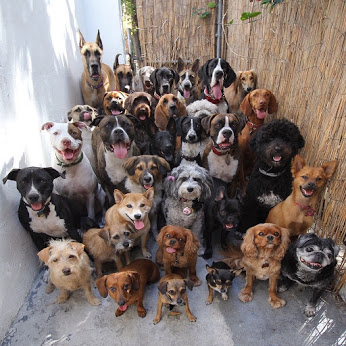 Fever refers to an elevated temperature, also called hyperthermia occurs when the body temperature of the dog is way past the normal range.Fever is not a disease but an indication that pet is fighting an infection.Infections and inflammation results in fever in dogs.When a pet is exposed to infection or there is an underlying inflammatory reaction,the body's first response is to fight the infection and this is characterized with an elevated temperature. Fever occurs in bacterial,viral, fungal infection, cases of abscess,urinary tract infection and pneumonia. The cause can sometimes be unknown and its associated with immune system, fever if prolonged results in damage of internal organs.
The common signs associated with fever are 1) inappetence. 2) weakness 3)depression 4) shivering 5)coughing 6) dehydration.
Treatment; check older post.
Fever refers to an elevated temperature, also called hyperthermia occurs when the body temperature of the dog is way past the normal range.Fever is not a disease but an indication that pet is fighting an infection.Infections and inflammation results in fever in dogs.When a pet is exposed to infection or there is an underlying inflammatory reaction,the body's first response is to fight the infection and this is characterized with an elevated temperature. Fever occurs in bacterial,viral, fungal infection, cases of abscess,urinary tract infection and pneumonia. The cause can sometimes be unknown and its associated with immune system, fever if prolonged results in damage of internal organs.
The common signs associated with fever are 1) inappetence. 2) weakness 3)depression 4) shivering 5)coughing 6) dehydration.
Treatment; check older post.
EQUINE GRASS SICKNESS.
 Equine grass sickness is fatal condition in horses on pasture, the condition results in colic and prognosis is guarded.The condition affects all age groups,can occur at any time but very common in wet conditions/seasons.
The cause of the condition has been pinned as Clostridium botulinum,this bacteria lives in moist soil and when it spreads on grass its eaten by the horse,resulting in severe poisoning. The bacteria toxins affect the horses's intestinal tract which affects the nerves causing a dysfunction resulting in severe colic.
The onset of the equine grass sickness could be per acute, acute and chronic.In per acute cases the horses are found dead.The prognosis in the chronic and acute cases are guarded.
The acute case, the onset is sudden, with severe abdominal discomfort, high pulse rate and restlessness. The treatment is colic surgery.While the chronic case ,the horse slowly develops a persistent low grade colic with rapid weight loss.The upper eye lid is droopy and there is sticky nasal discharge, and fecal balls are hard and small.The treatment is pain relief and supportive therapy.
Equine grass sickness can be prevented with pasture identification; if an area has record of such sickness avoid letting horses in area.Where there has been recent work lately, that involves soil works or turning should be avoided.Areas where dead animals are commonly found in pasture should be avoided.Horses that do not depend solely on grasses for nutrition hardly come down with grass sickness,thus feeding hay at pasture and bringing horses in to stable at night may help reduce its occurrence.
Equine grass sickness is fatal condition in horses on pasture, the condition results in colic and prognosis is guarded.The condition affects all age groups,can occur at any time but very common in wet conditions/seasons.
The cause of the condition has been pinned as Clostridium botulinum,this bacteria lives in moist soil and when it spreads on grass its eaten by the horse,resulting in severe poisoning. The bacteria toxins affect the horses's intestinal tract which affects the nerves causing a dysfunction resulting in severe colic.
The onset of the equine grass sickness could be per acute, acute and chronic.In per acute cases the horses are found dead.The prognosis in the chronic and acute cases are guarded.
The acute case, the onset is sudden, with severe abdominal discomfort, high pulse rate and restlessness. The treatment is colic surgery.While the chronic case ,the horse slowly develops a persistent low grade colic with rapid weight loss.The upper eye lid is droopy and there is sticky nasal discharge, and fecal balls are hard and small.The treatment is pain relief and supportive therapy.
Equine grass sickness can be prevented with pasture identification; if an area has record of such sickness avoid letting horses in area.Where there has been recent work lately, that involves soil works or turning should be avoided.Areas where dead animals are commonly found in pasture should be avoided.Horses that do not depend solely on grasses for nutrition hardly come down with grass sickness,thus feeding hay at pasture and bringing horses in to stable at night may help reduce its occurrence.
Saturday, November 28, 2015
TREATMENT OF NEONATAL MALADJUSTMENT SYNDROME.
Watch video of treatment here;https://youtu.be/zmbhp4mbZX4 via @YouTube Using several loops of a soft rope to gently squeeze the foal’s upper torso for 20 minutes—to mimic the time spent experiencing birth canal’s pressure—can ease the disorder’s symptoms, researchers have found. Early cases have produced some success. foal maladjustment syndrome.
 Using several loops of a soft rope to gently squeeze the foal’s upper torso for 20 minutes—to mimic the time spent experiencing birth canal’s pressure—can ease the disorder’s symptoms, researchers have found. Early cases have produced some success. foal maladjustment syndrome.
FOAL DISORDER LINKED TO AUTISM IN MAN.
 Veterinary researchers at the University of California, Davis, are exploring possible ties between a foal disorder and autism.Abnormal levels of naturally occurring neuro -steroids may be the common link, according to a UC Davis release. The horse disorder—known as neonatal maladjustment syndrome—has been a mystery for a century. Signs of the little-understood condition that appear in 3 to 5 percent of live births are detachment, failure to recognize their mothers and no interest in nursing.“The behavioral abnormalities in these foals seem to resemble some of the symptoms in children with autism,” says John Madigan, DVM, MS, UC Davis veterinary professor and expert in equine neonatal health.
Nursing newborn horses with the disorder is demanding. Eighty percent of foals survive with intensive care in a veterinary clinic and constant bottle or tube feeding for up to 10 days. Researchers are eying naturally occurring neurosteroids as a top suspect in causing the disorder. The compound acts as a sedative and keeps the foal “quiet” before birth.“Foals don’t gallop in utero,” Madigan says in the release. However, the foal must be able to run shortly after its birth. The biochemical change the newborn undergoes in the birth canal may be triggered by the physical pressure of the birthing process, researchers believe. read more here;http://veterinarynews.dvm360.com/new-veterinary-treatment-foal-disorder-simulates-necessary-trigger-birthing-process
Veterinary researchers at the University of California, Davis, are exploring possible ties between a foal disorder and autism.Abnormal levels of naturally occurring neuro -steroids may be the common link, according to a UC Davis release. The horse disorder—known as neonatal maladjustment syndrome—has been a mystery for a century. Signs of the little-understood condition that appear in 3 to 5 percent of live births are detachment, failure to recognize their mothers and no interest in nursing.“The behavioral abnormalities in these foals seem to resemble some of the symptoms in children with autism,” says John Madigan, DVM, MS, UC Davis veterinary professor and expert in equine neonatal health.
Nursing newborn horses with the disorder is demanding. Eighty percent of foals survive with intensive care in a veterinary clinic and constant bottle or tube feeding for up to 10 days. Researchers are eying naturally occurring neurosteroids as a top suspect in causing the disorder. The compound acts as a sedative and keeps the foal “quiet” before birth.“Foals don’t gallop in utero,” Madigan says in the release. However, the foal must be able to run shortly after its birth. The biochemical change the newborn undergoes in the birth canal may be triggered by the physical pressure of the birthing process, researchers believe. read more here;http://veterinarynews.dvm360.com/new-veterinary-treatment-foal-disorder-simulates-necessary-trigger-birthing-process
Antibiotic-resistant gene discovered in soil bacterium that commonly infects foals.
Rhodococcus equi is one of the most important causes of disease in young horses,A research team based in the University of Georgia College of Veterinary Medicine has discovered a novel gene—erm(46)—that confers antibiotic resistance in Rhodococcus equi, a soil-dwelling baterium that commonly infects foals and causes opportunistic infections in immunocompromised people, according to a release from the university. R. equi, a gram-positive intracellular pathogen, is one of the most important causes of disease in foals between 3 weeks and 5 months of age.
Read more here;http://veterinarynews.dvm360.com/antibiotic-resistant-gene-discovered-soil-bacterium-commonly-infects-foals
Subscribe to:
Posts (Atom)
Agribusiness Millionaires

Learn how to make money in agribusiness.
Popular Posts
-
Twitter https://veterinarymedicineechbeebolanle-ojuri.blogspot.com/ If you’re not redirected soon, please us...
-
VETERINARY MEDICINE: Heart Murmurs in Your Dog or Cat. A heart murmur is an abnormal sound that a veterinarian hears when listening to the...
-
VETERINARY MEDICINE: Medical detection dogs help diabetes patients regulate insulin levels. New research by the University of Bristol ...
-
 Why Does My Cat Bite My Nose? Any cat parent will tell you that we’re passionate about our felines, but we may not be...
 -
 VETERINARY MEDICINE: Can Cats Have Down Syndrome? Can cats have Down Syndrome?” to be able to give you a clear and definitive answer. We’l...
 -
VETERINARY MEDICINE : How sea snakes, surrounded by salt water, quench their thirst.Water, water everywhere, and not a drop to drink. Suc...
Claim your bonus here..

Free dog care guide.
CASSAVA BUSINESS

CASSAVA FLAKES.