 Eating processed meat may cause headaches: US scientists have claimed that the nitrate found in processed meats, such as bacon, may be the cause of migraines.
Wednesday, December 7, 2016
Eating processed meat may cause headaches
Eating processed meat may cause headaches: US scientists have claimed that the nitrate found in processed meats, such as bacon, may be the cause of migraines.

Calls made to include cancer warning on processed meat
Calls made to include cancer warning on processed meat: Labels warning of cancer risks should appear on US processed meat and poultry products, according to The Center for Science and the Public Interest (CSPI).
Cold plasma proving to be hottest new food safety treatment.
Cold plasma proving to be hottest new food safety treatment.
 Described as a “purple blow torch” by food safety scientists, cold plasma treatment can kill 99.9 percent of norovirus on blueberries without damaging the delicate fruit, giving a food safety boost to the so-called superfood.
cold plasma blueberry researchBrendan Niemira, a microbiologist at the U.S. Department of Agriculture’s Eastern Regional Research Center in Wyndmoor, PA, and a team of scientists already demonstrated that cold plasma (CP) can kill pathogens such as Salmonella and E. coli on blueberries.
The researchers, led by Alison Lacombe, focused on blueberries with their latest project because of the increasing popularity of the fruit in recent years, attributed to its antioxidants and other nutritional benefits. They also considered the manner in which the blue fruit is grown, packed, shipped and consumed.
Blueberries are susceptible to contamination by biological hazards from pre-harvest to post-harvest stages and are most commonly consumed raw, according to the research results set for publication in the May 2017 edition of the journal Food Microbiology. “Human norovirus is one of the most common etiological agents that contaminates food and causes food borne illness.”
Another factor making blueberries prime for the research is the fragile nature of berries in general. They also have some of the shortest shelf lives in the produce aisle, adding pressure to move them through the harvest and packing process as quickly as possible.
The cold plasma treatment tested by the USDA researchers, more than 99.9 percent of the two viruses being studied died after two minutes or less.The process of creating plasma, which is considered the fourth state of matter after solids, liquids and gases, is created by breaking apart gas molecules and making a plume of charged electrons and ions, according to ScienceMag.org. The problem with using it as a sanitizing step is that the creation process generates heat, which is even more damaging to delicate fruits such as blueberries.
Niemira and the other scientists found by simply injecting room-temperature air into the treatment chamber the heat problem was eliminated.These results demonstrate that CP viral inactivation does not rely on thermal inactivation, and is therefore nonthermal in nature,” Niemira wrote in the research report.
“Currently, the preventative measures for viral outbreaks in the food supply chain primarily rely on good agricultural practices, chemical washes and increased awareness on good hygienic practices in food handling areas. However, few optimized nonthermal intervention processes are available for fresh and fresh-cut produce…
“Cold plasma is an emerging nonthermal technology that offers the advantage of being chemical- and water-free, in addition to being able to operate openly and continuously at atmospheric pressure.”
Additional research is needed before the CP treatment will be available for commercial-sized operations, but the researchers reported the variety of benefits it provides should make it an affordable tool for the food industry.
The researchers say their purple blow torches require only one-fifth the power needed to run a hair dryer. Niemira told ScienceMag.org his team is already working to scale up the approach: “We’re making it bigger, we’re making it faster, we’re making it more efficient.”
There is also evidence that CP treatment can extend shelf life by slowing spoilage rates.more
Described as a “purple blow torch” by food safety scientists, cold plasma treatment can kill 99.9 percent of norovirus on blueberries without damaging the delicate fruit, giving a food safety boost to the so-called superfood.
cold plasma blueberry researchBrendan Niemira, a microbiologist at the U.S. Department of Agriculture’s Eastern Regional Research Center in Wyndmoor, PA, and a team of scientists already demonstrated that cold plasma (CP) can kill pathogens such as Salmonella and E. coli on blueberries.
The researchers, led by Alison Lacombe, focused on blueberries with their latest project because of the increasing popularity of the fruit in recent years, attributed to its antioxidants and other nutritional benefits. They also considered the manner in which the blue fruit is grown, packed, shipped and consumed.
Blueberries are susceptible to contamination by biological hazards from pre-harvest to post-harvest stages and are most commonly consumed raw, according to the research results set for publication in the May 2017 edition of the journal Food Microbiology. “Human norovirus is one of the most common etiological agents that contaminates food and causes food borne illness.”
Another factor making blueberries prime for the research is the fragile nature of berries in general. They also have some of the shortest shelf lives in the produce aisle, adding pressure to move them through the harvest and packing process as quickly as possible.
The cold plasma treatment tested by the USDA researchers, more than 99.9 percent of the two viruses being studied died after two minutes or less.The process of creating plasma, which is considered the fourth state of matter after solids, liquids and gases, is created by breaking apart gas molecules and making a plume of charged electrons and ions, according to ScienceMag.org. The problem with using it as a sanitizing step is that the creation process generates heat, which is even more damaging to delicate fruits such as blueberries.
Niemira and the other scientists found by simply injecting room-temperature air into the treatment chamber the heat problem was eliminated.These results demonstrate that CP viral inactivation does not rely on thermal inactivation, and is therefore nonthermal in nature,” Niemira wrote in the research report.
“Currently, the preventative measures for viral outbreaks in the food supply chain primarily rely on good agricultural practices, chemical washes and increased awareness on good hygienic practices in food handling areas. However, few optimized nonthermal intervention processes are available for fresh and fresh-cut produce…
“Cold plasma is an emerging nonthermal technology that offers the advantage of being chemical- and water-free, in addition to being able to operate openly and continuously at atmospheric pressure.”
Additional research is needed before the CP treatment will be available for commercial-sized operations, but the researchers reported the variety of benefits it provides should make it an affordable tool for the food industry.
The researchers say their purple blow torches require only one-fifth the power needed to run a hair dryer. Niemira told ScienceMag.org his team is already working to scale up the approach: “We’re making it bigger, we’re making it faster, we’re making it more efficient.”
There is also evidence that CP treatment can extend shelf life by slowing spoilage rates.more
 Described as a “purple blow torch” by food safety scientists, cold plasma treatment can kill 99.9 percent of norovirus on blueberries without damaging the delicate fruit, giving a food safety boost to the so-called superfood.
cold plasma blueberry researchBrendan Niemira, a microbiologist at the U.S. Department of Agriculture’s Eastern Regional Research Center in Wyndmoor, PA, and a team of scientists already demonstrated that cold plasma (CP) can kill pathogens such as Salmonella and E. coli on blueberries.
The researchers, led by Alison Lacombe, focused on blueberries with their latest project because of the increasing popularity of the fruit in recent years, attributed to its antioxidants and other nutritional benefits. They also considered the manner in which the blue fruit is grown, packed, shipped and consumed.
Blueberries are susceptible to contamination by biological hazards from pre-harvest to post-harvest stages and are most commonly consumed raw, according to the research results set for publication in the May 2017 edition of the journal Food Microbiology. “Human norovirus is one of the most common etiological agents that contaminates food and causes food borne illness.”
Another factor making blueberries prime for the research is the fragile nature of berries in general. They also have some of the shortest shelf lives in the produce aisle, adding pressure to move them through the harvest and packing process as quickly as possible.
The cold plasma treatment tested by the USDA researchers, more than 99.9 percent of the two viruses being studied died after two minutes or less.The process of creating plasma, which is considered the fourth state of matter after solids, liquids and gases, is created by breaking apart gas molecules and making a plume of charged electrons and ions, according to ScienceMag.org. The problem with using it as a sanitizing step is that the creation process generates heat, which is even more damaging to delicate fruits such as blueberries.
Niemira and the other scientists found by simply injecting room-temperature air into the treatment chamber the heat problem was eliminated.These results demonstrate that CP viral inactivation does not rely on thermal inactivation, and is therefore nonthermal in nature,” Niemira wrote in the research report.
“Currently, the preventative measures for viral outbreaks in the food supply chain primarily rely on good agricultural practices, chemical washes and increased awareness on good hygienic practices in food handling areas. However, few optimized nonthermal intervention processes are available for fresh and fresh-cut produce…
“Cold plasma is an emerging nonthermal technology that offers the advantage of being chemical- and water-free, in addition to being able to operate openly and continuously at atmospheric pressure.”
Additional research is needed before the CP treatment will be available for commercial-sized operations, but the researchers reported the variety of benefits it provides should make it an affordable tool for the food industry.
The researchers say their purple blow torches require only one-fifth the power needed to run a hair dryer. Niemira told ScienceMag.org his team is already working to scale up the approach: “We’re making it bigger, we’re making it faster, we’re making it more efficient.”
There is also evidence that CP treatment can extend shelf life by slowing spoilage rates.more
Described as a “purple blow torch” by food safety scientists, cold plasma treatment can kill 99.9 percent of norovirus on blueberries without damaging the delicate fruit, giving a food safety boost to the so-called superfood.
cold plasma blueberry researchBrendan Niemira, a microbiologist at the U.S. Department of Agriculture’s Eastern Regional Research Center in Wyndmoor, PA, and a team of scientists already demonstrated that cold plasma (CP) can kill pathogens such as Salmonella and E. coli on blueberries.
The researchers, led by Alison Lacombe, focused on blueberries with their latest project because of the increasing popularity of the fruit in recent years, attributed to its antioxidants and other nutritional benefits. They also considered the manner in which the blue fruit is grown, packed, shipped and consumed.
Blueberries are susceptible to contamination by biological hazards from pre-harvest to post-harvest stages and are most commonly consumed raw, according to the research results set for publication in the May 2017 edition of the journal Food Microbiology. “Human norovirus is one of the most common etiological agents that contaminates food and causes food borne illness.”
Another factor making blueberries prime for the research is the fragile nature of berries in general. They also have some of the shortest shelf lives in the produce aisle, adding pressure to move them through the harvest and packing process as quickly as possible.
The cold plasma treatment tested by the USDA researchers, more than 99.9 percent of the two viruses being studied died after two minutes or less.The process of creating plasma, which is considered the fourth state of matter after solids, liquids and gases, is created by breaking apart gas molecules and making a plume of charged electrons and ions, according to ScienceMag.org. The problem with using it as a sanitizing step is that the creation process generates heat, which is even more damaging to delicate fruits such as blueberries.
Niemira and the other scientists found by simply injecting room-temperature air into the treatment chamber the heat problem was eliminated.These results demonstrate that CP viral inactivation does not rely on thermal inactivation, and is therefore nonthermal in nature,” Niemira wrote in the research report.
“Currently, the preventative measures for viral outbreaks in the food supply chain primarily rely on good agricultural practices, chemical washes and increased awareness on good hygienic practices in food handling areas. However, few optimized nonthermal intervention processes are available for fresh and fresh-cut produce…
“Cold plasma is an emerging nonthermal technology that offers the advantage of being chemical- and water-free, in addition to being able to operate openly and continuously at atmospheric pressure.”
Additional research is needed before the CP treatment will be available for commercial-sized operations, but the researchers reported the variety of benefits it provides should make it an affordable tool for the food industry.
The researchers say their purple blow torches require only one-fifth the power needed to run a hair dryer. Niemira told ScienceMag.org his team is already working to scale up the approach: “We’re making it bigger, we’re making it faster, we’re making it more efficient.”
There is also evidence that CP treatment can extend shelf life by slowing spoilage rates.more
Dashing through the snow can be harmful for your pets.
Dashing through the snow can be harmful for your pets.dog owners still have to walk their dogs despite the near Arctic conditions in the forecast.
Here are some tips from veterinarian Dr. Jenefer Stillion for taking care of man's best friend in sub-zero temperatures. Stillion recommends having your pet's health checked before you go outside because the cold can worsen existing conditions like arthritis and make it more difficult for them to regulate their body heat.
In general, we recommend that we keep our pets indoors when the temperatures are sub-zero," said Stillion, If it's too cold for you outside for a prolonged period of time, it's too cold for your pets. Consider taking shorter walks and wear windbreakers.
Take care of their feet when walking on icy surfaces, and avoid sidewalk salt. "Inspect their footpads for cuts and abrasions," said Stillion. Keep pets away from toxic, cold-weather products like anti-freeze and washer fluid. more
Bovine TB outbreak in Alberta and Saskatchewan.
Bovine TB outbreak in Alberta and Saskatchewan.More than 22,000 cattle at farms in Alberta and Saskatchewan are quarantined due to bovine tuberculosis, causing hardship for ranchers and millions in compensation payments and other costs.
The Canadian Food Inspection Agency is testing cattle to determine the extent of the outbreak and the source of the contagious bacterial infection. So far six cattle have tested positive for bovine TB, all from one infected herd. Dr. Harpreet Kochhar, the agency's chief veterinary officer, sheds some light on the investigation and the threat of bovine TB:
What is the threat of bovine TB spreading to people?
Generally it does not pose a threat to the public. The bacteria can travel through the air and could pose a threat if a person inhaled it for months. There is no indication there is any risk to the public at this point.
What are the trade implications of the outbreak to the beef industry, especially with the U.S.?
There are no trade implications. Canada has been officially free of the disease since the 1920s, but has had a few cases from time to time. The U.S. is currently dealing with some bovine TB cases. Maintaining the TB-free status allows Canada to reassure trading partners and ensures Canadian beef producers can continue to export their products to multiple countries.
The CFIA says about 10,000 cattle are to be destroyed. What will happen to the meat?
These cattle will be tested before they are slaughtered. Any animal that shows any reaction to the test will be disposed of and will not enter the food chain. CFIA inspectors will double check the carcasses of any animals that test negative. Any animal that shows any sign of disease, like a lesion, is condemned and not sold for human consumption. If the meat passes inspection, it is fit to eat.
What is the source of the bovine TB? Is it possible it came from wild elk in the region?
Bovine TB has been found in wild animals in the past, but the bacteria in this outbreak is linked to a strain found in Mexico that hasn't been detected in Canada before. The TB could be from a person who had the disease or from an animal that was imported into Canada. There is no indication the TB came from a wild animal. Once the CFIA investigation is complete, the agency may or may not know the exact cause, but will have an indication of the origins of the infection.
When does the CFIA estimate that testing of the cattle will be complete and when the quarantines be lifted?
Tests on 18 herds are almost complete and could be finished by Christmas. The results could put more farms under quarantine. It's premature to estimate the timelines.
How much does the CFIA expect to pay producers in compensation for the estimated 10,000 cattle that will be destroyed?
The maximum rate for a registered animal is $10,000, for a commercial animal up to $4,500. CFIA staff work with owners to determine fair market value. It is too early to estimate how much the compensation will cost. more
How farmers are using data to protect the earth.
How farmers are using data to protect the earth.Every square meter of a field contains hundreds of pieces of data, from moisture and nutrient levels to real-time weather variables"
How has your life changed since the dawn of the smartphone? We now have unlimited data in our hands: updates on our kids’ grades, real-time stock prices, shipping information for online purchases, even a fitness tracker in the cloud counting our steps. Instead of reading the same newspaper as our neighbors each morning, we each choose the information that comes straight to us based on how our day is shaping up. The opportunities for customization seem endless.
All of this data is designed to help us do one thing: make specific decisions, tailored to our needs, about the things that improve our lives.Now imagine how the same data technology can improve decisions farmers make every day. Every square meter of a field contains hundreds of pieces of data, from moisture and nutrient levels to real-time weather variables. Like you and your neighbors, each plant’s day is a little different, and so are its needs.
Why should we care about each little change in the life of an individual plant or the soil on the world’s fields? Because each piece of data farmers collect helps them make more precise decisions about resources like seeds, water, soil nutrients and plant health. That precision cuts down on waste and helps grow food more sustainably, with more efficient use of land, water, fertilizer, fossil fuels and other resources. When combined with other important practices, like reducing the carbon released by tilling, precision agriculture can help reduce agriculture’s carbon footprint. Now agriculture can be a piece of the solution to climate change.
Farmers play a critical role as true stewards of the land. Monsanto is in the agriculture business, and our customers are greatly affected by shifts in the climate and availability of natural resources. So it’s good business to be proactive, both in keeping carbon out of the atmosphere and in developing more precise options that offer farmers ways to use their resources efficiently and sustainably. Farmers, like other business owners, choose their spending wisely, and every planting season we work to earn our customers’ business. New, innovative solutions mean that we can continue to advance more informed decisions about farming, better economic return for growers and a reduced impact on the environment.
There’s never been a more important time for innovation that can support sustainable farming. The population is growing. The world is getting hotter. Water is scarcer. And we have a responsibility to try to put balanced meals on more tables while reducing the environmental impact of agriculture.
It’s a daunting and exciting challenge, one that will require collaboration from all types of farmers and consumers. But one thing is certain: Innovation and data science in agriculture will help slow climate change, promote efficient use of precious resources and help farmers feed the world more sustainably for generations to come.more
Tuesday, December 6, 2016
Rapid growth in ready-meals helps Andrews Meat Industries diversify food processing business in western Sydney.
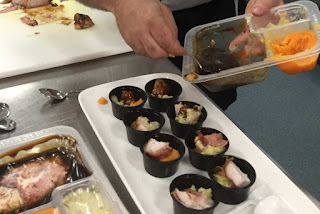
Rapid growth in ready-meals helps Andrews Meat Industries diversify food processing business in western Sydney.The ready-made meal sector is being transformed from the unsavoury Teevee dinners of the 1970s, to full-flavoured chef-designed food of convenience.
Leading the charge is family company Andrews Meat Industries, which has diversified its business from fresh meat to pre-prepared meals, thanks to investment from global meat giant JBS. The $20 million upgrade has helped power up more than half a million ready meals every week, which goes to more than 1600 food and beverage hospitality customers in NSW alone. It is also resulted in 15 per cent more jobs at the plant, and a more than 100 per cent increase in export sales.
 more
more
 more
more
Subscribe to:
Posts (Atom)
Agribusiness Millionaires

Learn how to make money in agribusiness.
Popular Posts
-
 BLOCKCHAIN IN AGRICULTURE – IMPROVING AGRICULTURAL TECHNIQUES.“Ensuring Efficiency, Trust and Transparency from Farms to Groceries”....
 -
For 30 years, scientists have fought to eliminate a horrifying parasite. Suddenly, it has begun infecting dogs in Chad, threatening to und...
-
RESEARCH: New skin test detects prion infection before symptoms appear. Prions can infect both humans and animals, causing C reutzfeldt-Ja...
-
Lyme bacteria survive 28-day course of antibiotics months after infection.Lyme bacteria can survive a 28-day course of antibiotic treatmen...
-
 This is an awareness campaign drive to educate kids about rabies . This campaign will birth the creation of the dog health club in schools. ...
 -
Polish veterinary experts consider news measures in ASF fight

Claim your bonus here..

Free dog care guide.
CASSAVA BUSINESS

CASSAVA FLAKES.